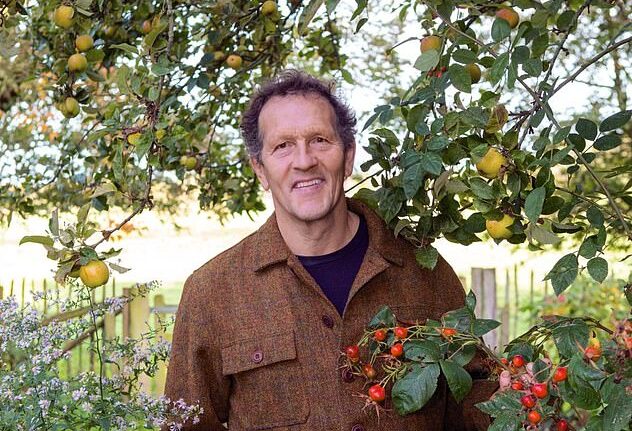
June is one of the most rewarding months in the gardening calendar. The days are long, borders are filling out, roses are reaching their peak, and vegetable plots are finally beginning to move with real purpose. But according to Monty Don, it is also a month when gardeners need to stay alert, because the jobs done now can shape how the garden performs for the rest of summer and even into next year.
The much-loved Gardeners’ World presenter has long treated June as a turning point at Longmeadow, his Herefordshire garden. It is the moment when spring growth gives way to full summer abundance, but also when weeds, fading flowers, fast-growing climbers and young fruit all need careful attention. Monty’s official June advice is not about complicated tricks. It is about timing, observation and small, regular jobs that make a visible difference.
Roses need daily attention
For Monty, June belongs to roses. This is when they put on some of their best displays, but he says gardeners should not simply admire them and walk away. One of his clearest June instructions is to deadhead roses regularly, ideally every day during peak flowering.
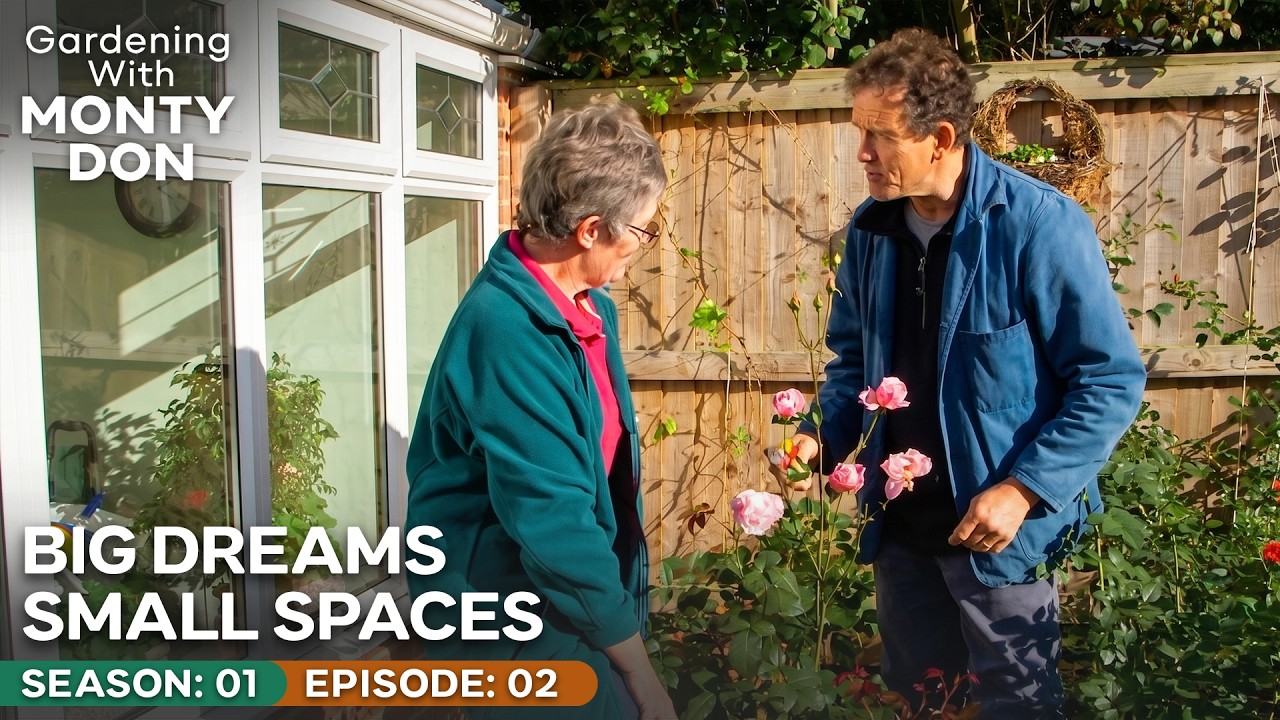
The important part is how it is done. Monty advises using secateurs to cut the spent flowering stem back to the next leaf or bud, rather than simply pulling away the dead petals. That cut encourages new side shoots, which can then carry more flowers and extend the display. The exception is species roses, such as rugosa types, where leaving the flowers alone allows hips to develop later in the year.
Get tender crops into the ground
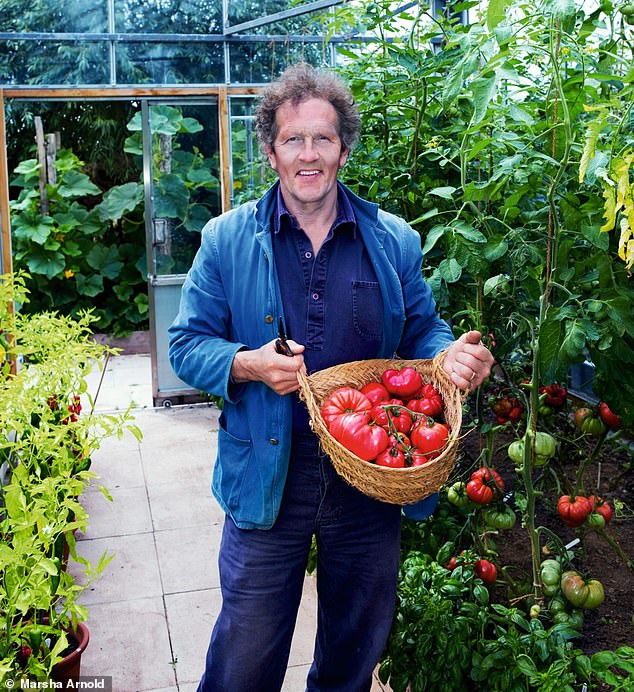
June is also the month when the vegetable garden moves out of the so-called “hungry gap” and begins to feel productive again. Monty says crops such as tomatoes, courgettes, squashes, runner beans and sweetcorn can be planted outside as nights become warmer. In the greenhouse, he points to aubergines, peppers, melons, cucumbers and more tomatoes as key summer crops.
His advice on lettuce is especially practical for home gardeners: sow little and often. Instead of sowing too much at once, Monty recommends small sowings every two or three weeks, which gives a steady supply of fresh salad leaves rather than one sudden glut. Tomatoes also need regular attention, with side-shoots pinched out. He suggests doing this early in the morning, when the plant is firm and the shoots snap away more easily.
Keep weeds under control before they take over
June’s warmth and moisture can be excellent for plants, but weeds enjoy the same conditions. Monty says vegetable plots need regular weeding at this time of year, and he favours the hoe as one of the best tools for the job.
His method is simple: hoe in dry weather, preferably in the morning. This allows the cut weeds to dry out during the day before they are raked up and added to the compost heap. It is a small routine, but in June it can prevent weeds from getting ahead of young vegetables and flowers.
Thin fruit for better quality
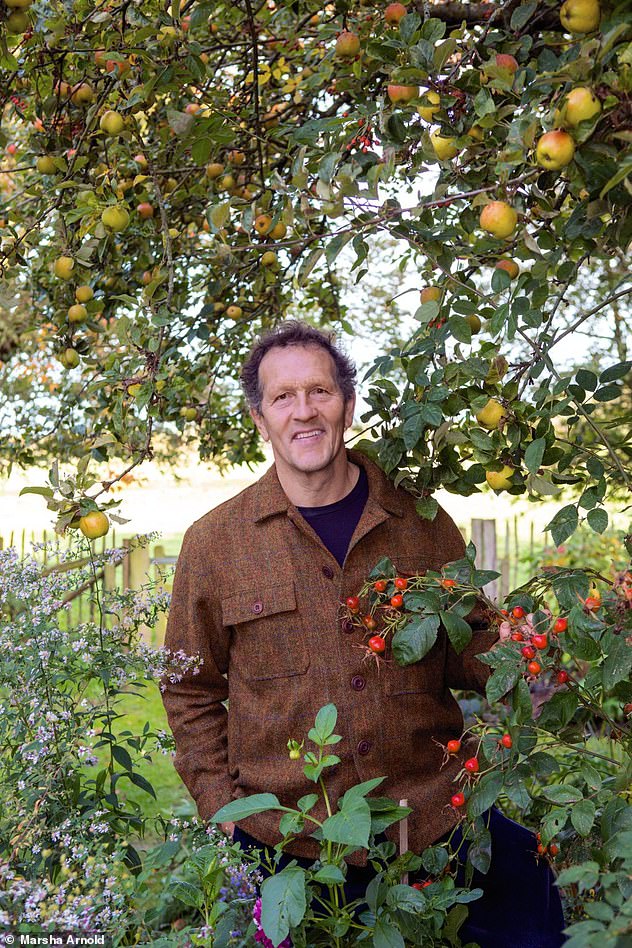
Gardeners with apples, pears or dessert grapes may notice small fruits dropping in June. Monty explains that this is normal and is often known as the “June Drop”, when trees shed some fruit naturally. But he still recommends selective thinning, because trees do not always remove the weakest or worst-positioned fruit by themselves.
For apples and pears, Monty advises reducing each cluster to two fruits, making sure they are not touching. This helps the remaining fruit grow better and reduces the risk of branches being strained by too much weight later in the season. His point is clear: when growing fruit for eating, quality matters more than quantity.
Prune wisteria and spring-flowering shrubs
June is also a pruning month, but only for the right plants. Once wisteria has finished flowering, Monty recommends cutting back the new growth to around six inches. This keeps the plant under control and helps train it neatly, while still allowing the framework to develop.
Spring-flowering shrubs also benefit from attention now. Monty names plants such as philadelphus, amelanchier, deutzia, weigela and rubus, which flower on wood made the previous summer. Pruning them after flowering gives new growth time to mature before winter, helping to improve next year’s display. After pruning, he recommends watering, weeding and mulching with compost.
Be careful with hedges and wildlife
While June growth can make hedges look untidy, Monty warns against rushing into a full trim too early. Young birds may still be nesting, so he advises holding back from major hedge cutting. However, gardeners can still tidy entrances, exits and vertical edges to give the garden a sharper look without disturbing the broader hedge structure.
Box hedges are a more specific case. Monty says early June is the best time to trim box, but only with sharp tools and when a few dry days are expected. Fresh cuts can be vulnerable to box blight in damp conditions, so dry weather gives the plant a better chance to heal.
Let long grass work for nature
Monty’s June advice also reflects his wildlife-friendly approach at Longmeadow. Rather than mowing every part of the garden short, he allows long grass to grow in some areas, especially where bulbs and wildflowers are planted. He says long grass should not be cut until after the longest day, June 21, giving bulb foliage time to feed next year’s flowers.
When the grass is eventually cut, Monty recommends removing the cuttings. Leaving them in place can enrich the soil too much, encouraging coarse grass at the expense of wildflowers. It is a reminder that a wildlife-friendly garden still needs management — just of a different kind.
Sow now for next year’s flowers
Not every June job is about immediate results. Monty also recommends sowing biennials, including wallflowers, honesty, foxgloves, forget-me-nots and aquilegias. These plants grow roots and leaves in their first season, then flower the following spring or early summer. Sowing them now gives them time to establish before being planted out in autumn.
That is perhaps the wider lesson in Monty Don’s June guide. The month may feel like the height of the gardening year, but it is also a time to prepare for what comes next. Deadhead now for more flowers, thin fruit now for better harvests, prune now for next spring, and sow now for next year’s colour.
June may be generous, but it rewards gardeners who pay attention. Monty’s advice is not to overcomplicate the season, but to keep moving gently through the garden — cutting, planting, sowing, observing and making the most of the light while it lasts.
