June is the month when roses finally take over the garden. After weeks of rain, warmth, and unsettled spring weather, many rose bushes are now bursting into colour, filling gardens with fragrance, soft petals, and that classic summer look gardeners wait for all year.
But according to much-loved gardening expert Monty Don, there is one simple job that can make the difference between roses that fade quickly and roses that keep flowering for much longer.
And the best part? It only takes a few seconds.
Monty has shared that the key to keeping roses blooming through summer is deadheading — the simple act of removing old, faded flowers before the plant puts its energy into forming seeds. It may sound basic, but done properly, this small daily task can encourage fresh shoots, new buds, and a longer flowering season.
In his gardening advice for June, Monty explained that roses are one of the great highlights of the month. Their colour, shape, and scent make them one of the biggest stars of the early summer garden. But if gardeners want to keep that display going, they cannot simply admire the flowers and walk away.
They need to act as soon as blooms begin to fade.
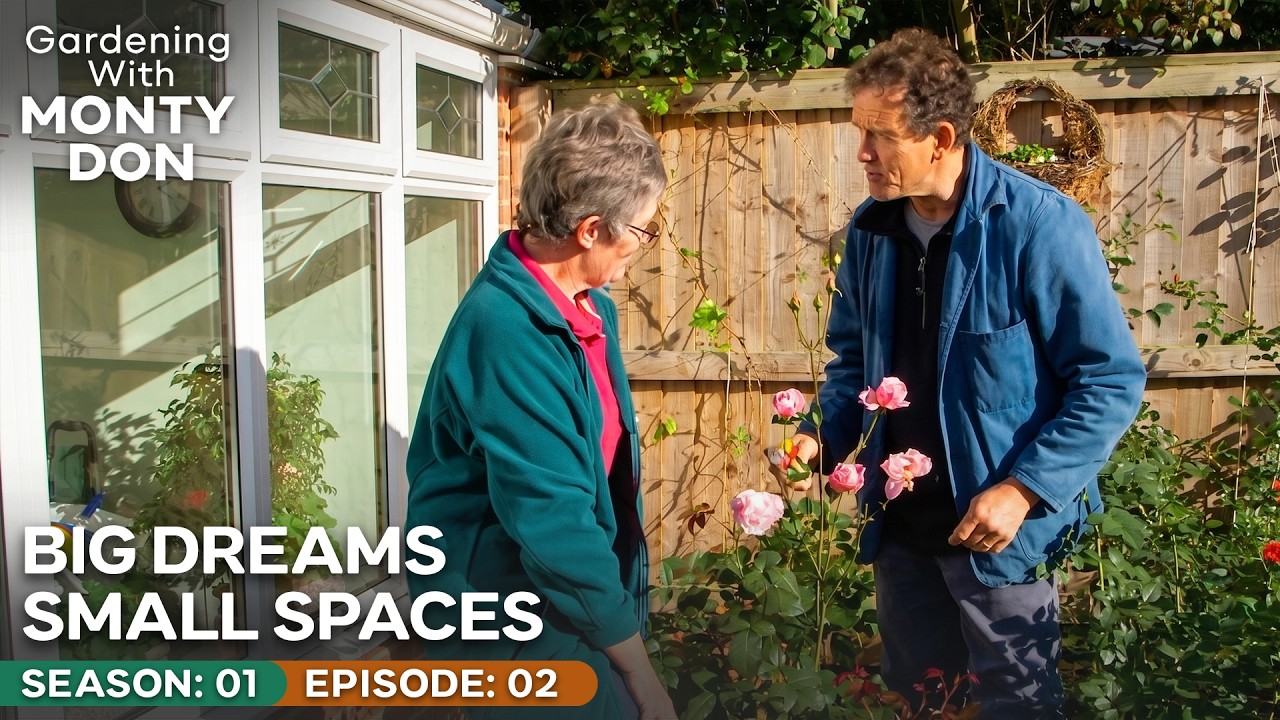
Deadheading is often described as just removing dead flowers, but Monty says there is a better way to do it. Instead of simply pulling off old petals or snapping away the flower head, gardeners should use secateurs and cut the spent stem back to the next healthy leaf or bud beneath the old bloom.
That small cut encourages the rose to send out a fresh side shoot. In many repeat-flowering roses, that new growth can then produce more flower buds, helping the plant bloom again rather than wasting energy on seeds.
This is why the task matters so much. Once a rose flower finishes blooming, the plant naturally begins preparing to create seed heads, also known as hips. That process takes energy, water, and nutrients. If gardeners remove the faded flower at the right time, the plant is pushed back into growth mode instead.
In simple terms, deadheading tells the rose: “Don’t stop yet. Keep flowering.”
For gardeners who want a full, colourful summer display, this can make a major difference. A rose bush that is left alone may still look beautiful for a while, but once the first flush of flowers fades, it can begin to look tired. Old petals turn brown, flower heads droop, and the plant starts putting its energy elsewhere.
Regular deadheading keeps the bush neater, healthier-looking, and more productive.
Monty’s advice is especially useful in June because this is when many roses are at their strongest. The combination of warmer weather, longer days, and moisture in the soil can give rose bushes a powerful growing boost. But that energy needs to be directed properly.
The good news is that deadheading roses is not difficult. Gardeners only need a clean pair of secateurs, gloves to protect against thorns, and a bucket or trug for collecting the cut stems.
The method is simple. Look for a bloom that has faded, lost its shape, or started dropping petals. Follow the flower stem down to the first healthy leaf or visible bud. Then make a clean cut just above that point. The new shoot should grow from there, giving the rose a better chance of producing more flowers.
This is more effective than simply pulling off the old bloom because it lightly prunes the plant at the same time. That gentle pruning encourages stronger regrowth and helps shape the shrub.
However, there is one important exception. Not every rose should be deadheaded in the same way.
Some roses, especially species roses and certain shrub roses, produce beautiful hips in autumn. These red, orange, or dark-coloured fruits can be one of the prettiest parts of the plant later in the year. But hips only form if the flowers are left to set seed.
So, if a gardener wants autumn hips, they should allow some flowers to remain on the bush after blooming. But for repeat-flowering roses, especially those grown for long summer colour, deadheading is usually the better option.
The task may sound small, but that is exactly why gardeners should not ignore it. A few seconds spent cutting away faded flowers each day can prevent the plant from becoming messy, tired, and less productive.
It also helps gardeners stay connected to what is happening in the garden. By checking roses daily, they can spot problems early, from pests and disease to dry soil or damaged stems. Roses are beautiful, but they do reward regular attention.
Monty Don’s advice is a reminder that gardening success is not always about dramatic changes or expensive products. Sometimes, it is the smallest habits that create the biggest results.
For anyone hoping to enjoy roses for as long as possible this summer, the message is clear: do not wait until the whole bush looks faded. Keep checking, keep cutting, and keep encouraging new growth.
A five-second snip today could mean another wave of roses tomorrow.
