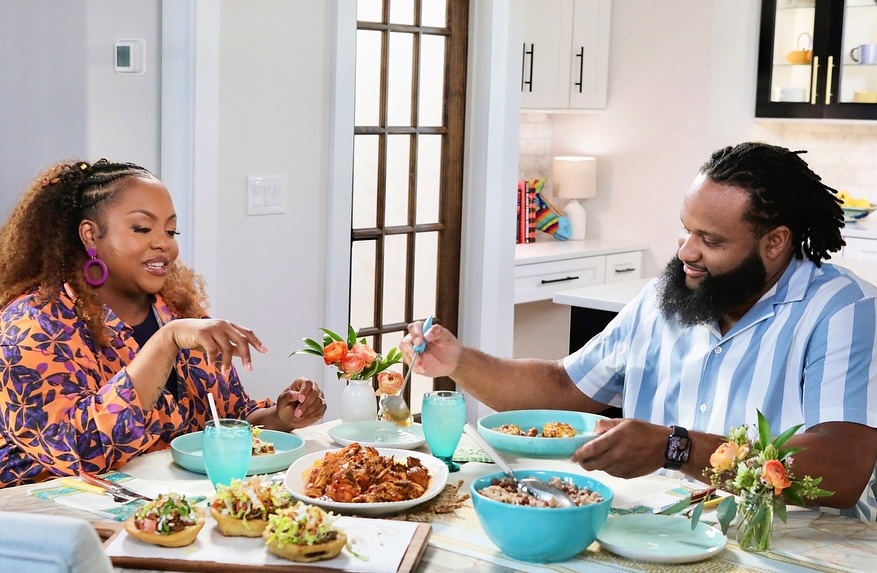
Kardea Brown is best known to Food Network viewers for her Lowcountry cooking, warm personality, and family-centered approach to food. As the host of Delicious Miss Brown, she has built a career around recipes rooted in Charleston, South Carolina, and the traditions that shaped her upbringing.
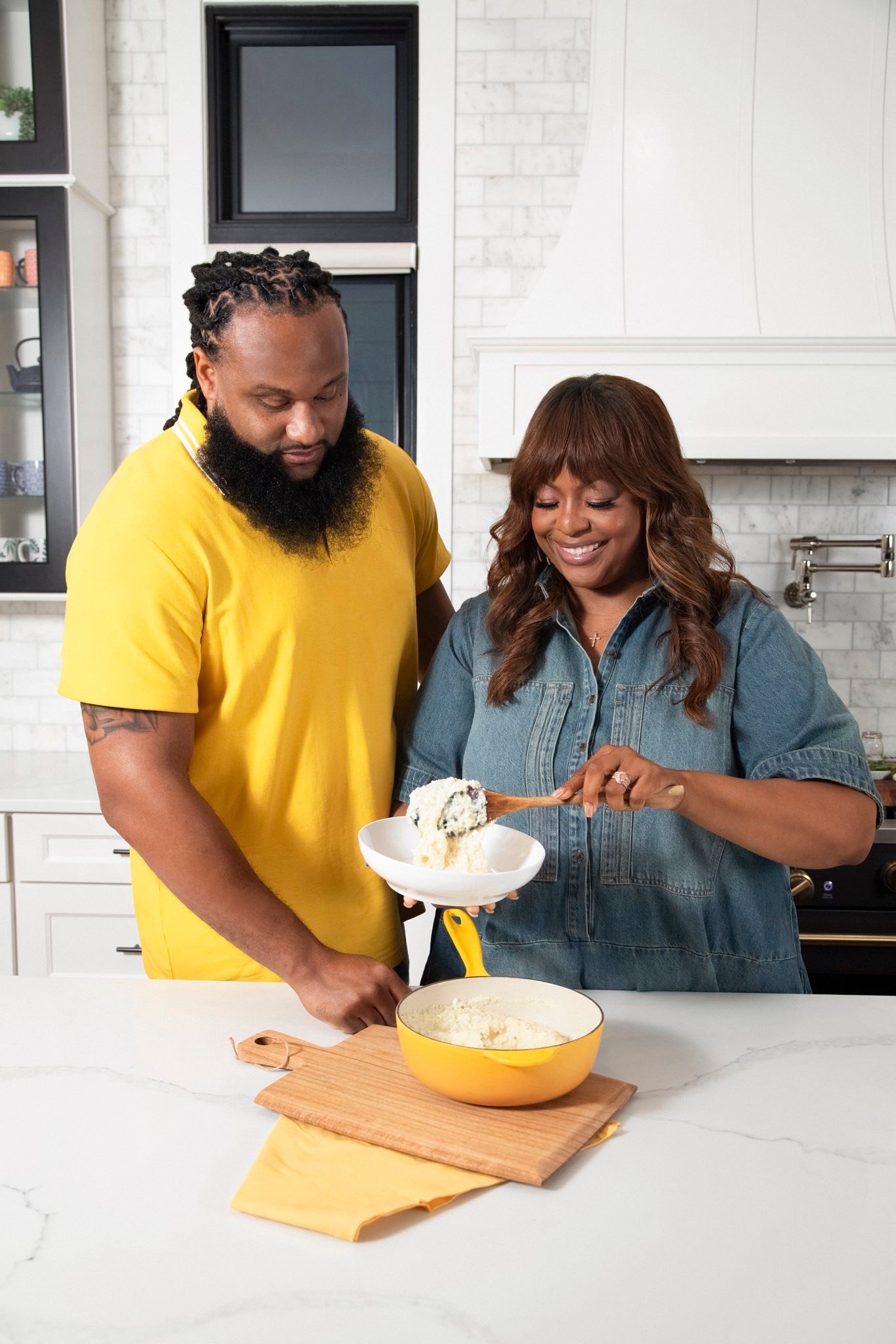
In the last few years, Brown’s personal life has also become part of her public story. She married Bryon Smith on March 8, 2025, in Cabo San Lucas, Mexico, in a wedding attended by about 85 close family members and friends. The celebration included Lowcountry-inspired details, a custom gown by Laurie Underwood, a multi-tiered red velvet and dulce de leche wedding cake, and a reception that reflected both the couple’s taste and Brown’s food background.
But shortly after stepping into married life, Brown and Smith had to deal with an unexpected health issue. Kardea Brown recently revealed that her husband Smith was diagnosed with Type a chronic illness — a diagnosis that changed how the couple approached food, daily habits, and long-term wellness.
A Love Story That Brown Did Not Always Expect
Before speaking about her husband’s diagnosis, Brown opened up about marriage itself. She admitted that she did not always imagine herself becoming a wife. Growing up, she saw strong women in her family raise children without long-lasting marriages, and that shaped how she viewed relationships.
Brown said she once thought she would simply be independent and not need a man. But her relationship with Smith changed that perspective. In the interview, she said, “I need my man.”
That personal background matters because it shows why this first year of marriage has been meaningful for her. Brown was not only adjusting to being newly married; she was also learning how to build a shared life with someone she deeply values. Smith’s diagnosis became one of the first major challenges they had to navigate together.
Bryon Smith’s Type 2 Diabetes Diagnosis
According to Brown, Smith received his Type 2 diabetes diagnosis during their first year of marriage, closer to the end of that first year. The news was not something they were expecting, but Brown had already noticed signs that made her think something might be off.
Brown had previously been diagnosed with prediabetes in her early twenties, so she was familiar with some warning signs related to insulin resistance. She said she noticed changes in Smith, including darkening around his neck and the appearance of skin tags. Based on her own experience, she encouraged him to get his A1C checked.
That test showed elevated glucose levels, and doctors diagnosed Smith with Type 2 diabetes. Brown recalled that Smith called her after the appointment and told her, “Well, I got Type 2 diabetes.”
Although he tried to use humor in the moment, Brown understood that he was nervous. She said he joked about throwing away everything in the refrigerator, but she recognized that the joke came from fear. Her response was calm. She told him they would talk when he got home and reminded him not to stay on the phone while driving upset.
How the Diagnosis Affected Their Marriage
Brown described the diagnosis as eye-opening, especially because it happened so early in their marriage. However, she does not view Smith as helpless or severely unwell. Instead, she sees the diagnosis as a serious but manageable health issue that required attention, education, and lifestyle changes.
She also said the experience brought them closer. Rather than treating the diagnosis as something Smith had to handle alone, Brown approached it as a shared responsibility. That attitude seems to have helped them turn a frightening moment into a practical plan.
For Brown, the timing also had a positive side. Because the diagnosis came early in their marriage, the couple had a chance to build healthier routines from the beginning instead of waiting years to make changes.
Food Became the Center of Their Adjustment
Because Brown is a chef, the diagnosis naturally affected the kitchen first. Food is not only her profession; it is also a major part of her identity, her family history, and her marriage.
But Brown said they did not have to completely overhaul their lifestyle. Instead, they focused on smaller adjustments. That was encouraging for her because it suggested they were already doing some things right.
The goal was not to remove all of Smith’s favorite foods. It was to find better versions of them.
That approach is important because many people assume a Type 2 diabetes diagnosis means giving up comfort food entirely. Brown’s view is more balanced. She wants to show that traditional recipes can often be adjusted without losing their meaning or flavor.
Bryon’s Sweet Tooth Required Creative Changes
One of the biggest food challenges was Smith’s love of sweets. Brown said he grew up around homemade cakes, pies, pound cakes, and other desserts prepared by his grandmother. She even suggested that her ability to bake like his grandmother may have been one of the reasons he felt she was the right person for him.
Smith especially enjoys desserts like red velvet cake and sweet potato pie. After his diagnosis, Brown began looking for ways to make those foods more diabetes-conscious.
For example, she said she may replace regular granulated sugar with alternatives such as monk fruit or allulose. She may also use almond flour instead of all-purpose flour in some recipes. According to Brown, these swaps can make a recipe more suitable while still keeping the taste close to what Smith enjoys.
This is where Brown’s professional skills as a chef became useful in her personal life. She was able to take familiar comfort foods and rethink them in a way that supported her husband’s health.
Brown’s Own Prediabetes History Helped Her Understand
Brown’s experience with prediabetes gave her a clearer understanding of what Smith was facing. She had already gone through her own process of learning about blood sugar, insulin resistance, and lifestyle adjustments.
That made her more prepared to support him. She recognized possible signs early, encouraged him to get tested, and knew that a diagnosis did not have to mean panic.
Her own health history also made the changes feel shared. Brown said that adjusting meals for Smith has helped her as well, especially because she has dealt with weight fluctuations. In that sense, his diagnosis became a reason for both of them to be more intentional about health.
Changing a Family Pattern
Brown also connected Smith’s diagnosis to family health history. She said Type 2 diabetes had affected people in Smith’s family, including his father and grandmother. But she does not believe that family history should make someone feel powerless.
Her message was simple: “when you know better, you do better.”
Brown explained that older generations may not have had the same tools, access to information, or technology that people have now. Today, she believes people have more ways to understand their health and make changes.
For Smith, that means facing the diagnosis directly rather than treating it as inevitable. Brown said he wants to handle it differently, not only for himself but also for future generations in his family.
How Bryon Smith Is Doing Now
Brown shared that Smith is doing well. She said he recently visited his primary care doctor and learned that his A1C had dropped by an entire point since he began using the continuous glucose monitor.
That progress has encouraged both of them. Brown said Smith is in a good place and is more open to experimenting with different foods and recipes. Instead of feeling alone in the diagnosis, he is working through it with her.
The couple has also gone public with the story, which may help others dealing with similar health issues feel less isolated.

I hope Mr. Smith does well. Type Ii is manageable. I’m a social worker and as a caring person,Mr Smith will do better if he handles his care and you handle the support. This is not meant to say let him handle it alone,but if he leans on you to watch all the food choices and how he eats,it may become your permanent job and that puts to much stress on the marriage. He needs to be the main one in charge. He will feel more competent with his care and more in charge.
I wish you both the best.