HGTV’s Renovation Aloha has gone from a bright Hawaii home-renovation show to the center of a serious legal and cultural controversy. The lawsuit involving Renovation Aloha stars Kamohai Kalama and Tristyn Kalama began after an episode allegedly showed Native Hawaiian ancestral remains without proper written permission. Details about Renovation Aloha’s lawsuit explained here.
The controversy centers on Season 3, Episode 3 of Renovation Aloha, titled “Bones on the Big Island.” The episode premiered on April 14, 2026, and featured the Kalamas discovering what officials believed could be iwi kūpuna, or Native Hawaiian ancestral skeletal remains, inside a cave beneath a Hilo property. What may have first looked like a shocking television moment quickly turned into a legal fight involving Hawaii’s Attorney General, HGTV, Warner Bros. Discovery, and the Kalamas themselves.
According to Civil Beat’s report on the Renovation Aloha lawsuit, Hawaii officials argued that filming and broadcasting Native Hawaiian remains without permission was not only culturally offensive, but also a violation of state rules protecting burial sites and human remains.
What Is the Renovation Aloha Lawsuit About?
The Renovation Aloha lawsuit is about whether the show, its stars, and its production team improperly filmed, posted, and aired footage of human skeletal remains believed to be Native Hawaiian ancestral remains.
According to PEOPLE’s report on the legal complaint, the civil complaint was filed on April 14, 2026, in Hawaii’s Third Circuit Court. The lawsuit named Kamohai Kalama, Tristyn Kalama, HGTV, Discovery Inc., and producer Nathan Fields as defendants.
The state alleged that the Kalamas shared video and photographic content on their public Instagram account that appeared to show the remains. The complaint also alleged that the Renovation Aloha episode itself contained footage of the remains even though written consent had allegedly not been obtained from the proper authorities.
The state sought civil penalties and a permanent injunction ordering the defendants to remove any online or broadcast content showing the remains.
Why the Footage Created a Serious Cultural Issue
In Native Hawaiian culture, iwi kūpuna are not treated as objects, props, or dramatic television content. They are ancestral remains connected to family, land, history, and cultural responsibility. That is why the backlash to the Renovation Aloha episode was immediate and intense.
Hawaii rules say that photography of human skeletal remains connected to examination is prohibited unless written consent is first obtained from the proper council when the remains are believed to be Native Hawaiian, or from the department when the remains are believed to be non-Native Hawaiian. The rule is explained in Hawaii Administrative Rules Section 13-300-32.
That legal point is the heart of the case. The controversy was not just that the remains were discovered. The legal issue was what happened after the discovery — especially whether the remains were filmed, promoted, posted online, and aired nationally without written permission.
What Happened in the “Bones on the Big Island” Episode?
The disputed episode showed Kamohai and Tristyn Kalama dealing with an unexpected discovery at a Hilo property. Reports say the remains were found in a cave or lava-tube-like area beneath the property. The episode’s title, “Bones on the Big Island,” made the discovery a central part of the installment.
According to Civil Beat, the preview clips on social media alarmed Hawaii officials before the episode aired. Multiple state agencies reportedly sent a written directive to the Kalamas on April 13, 2026, asking them to remove content depicting the remains, stop posting similar content, and preserve related files.
The next day, on April 14, 2026, the Hawaii Attorney General’s Office moved to stop the episode from being distributed. A judge issued a temporary restraining order before the scheduled airing, but the episode still aired on HGTV that evening.
What the State Claimed in the Lawsuit
The State of Hawaii argued that broadcasting images of iwi kūpuna caused serious harm to the Native Hawaiian community and to the dignity of the ancestors whose remains were shown.
The complaint described the remains as culturally protected and alleged that the defendants did not have the written approval required before showing them. The state also said that images of the remains had appeared not only in the episode, but also in promotional or social media content connected to the show.
That is why the lawsuit became bigger than a normal reality TV controversy. It placed a national home-renovation program directly in the middle of Hawaii’s burial-protection laws, Native Hawaiian cultural protocol, and questions about how television productions should behave when filming in culturally sensitive places.
HGTV’s Response to the Renovation Aloha Lawsuit
After the backlash, HGTV apologized and said the episode would be changed. The network said it took the concerns raised by the Native Hawaiian community seriously and wanted its programming to be respectful and appropriate.
Warner Bros. Discovery later agreed to use a re-edited version of the episode that removed the disputed images. On May 8, 2026, Hawaii News Now reported that the state dissolved the TRO dispute after Warner Bros. Discovery agreed to release only an edited version without the images of iwi kūpuna and to make reasonable efforts to remove earlier versions from third-party distributors.
That update is important because it means the immediate court fight over blocking the episode eased. However, the controversy did not simply vanish. The legal complaint, the cultural criticism, and the public damage to the show’s image remained central to the larger Renovation Aloha lawsuit story.
What Kamohai and Tristyn Kalama Said
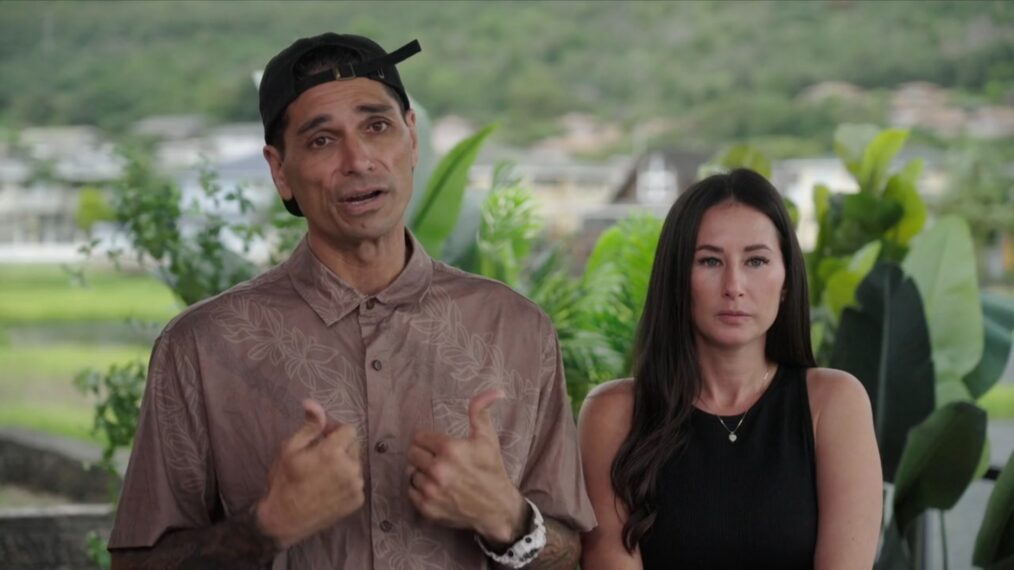
Kamohai and Tristyn Kalama later addressed the controversy and rumors about the future of the show. In an Instagram Live recording reported by PEOPLE, the couple said Renovation Aloha was not canceled. Tristyn said the show was not canceled, while Kamohai added that the cancellation talk was “not even close.”
According to PEOPLE’s report on the Kalamas addressing cancellation rumors, the couple also emphasized that they contacted local authorities after the discovery and did not intend to develop the land after the remains were found.
That distinction matters. The public lawsuit focuses on the alleged filming, posting, and broadcasting of the remains without written permission. The strongest public reporting does not frame the lawsuit as an allegation that the Kalamas physically removed or developed over the remains.
Is Renovation Aloha Canceled?
As of the latest public reporting available in mid-May 2026, Renovation Aloha has not been officially confirmed as canceled. The Kalamas publicly denied cancellation rumors, and episodes were still being discussed as part of Season 3 after the lawsuit controversy began.
Still, the lawsuit has clearly changed the way many viewers and local observers see the show. What started as a sunny HGTV series about rescuing rundown homes in Hawaii is now connected to a much deeper conversation about cultural respect, legal compliance, real estate business practices, and the responsibility of national networks filming in Hawaii.
Why the Lawsuit Hit at a Difficult Time
The Renovation Aloha lawsuit did not happen in isolation. Before the iwi kūpuna controversy, the Kalamas had already faced local scrutiny over renovation permits and construction work connected to properties featured on or associated with the show.
In December 2024, Civil Beat reported on Renovation Aloha permit violations, raising questions about whether work on featured properties had started before building permits were approved. Civil Beat later reported additional violation notices tied to properties associated with the Kalamas or their companies.
Those earlier reports created a larger public-image problem. On television, the fast renovation timeline looked exciting and profitable. But in local reporting, the same speed raised questions about whether projects were moving faster than the permitting process allowed.
Separate Airbnb Fine Controversy
In May 2026, another controversy added pressure to the Kalamas’ public image. Civil Beat reported that the Renovation Aloha hosts owed $40,000 in short-term rental fines to the City and County of Honolulu.
That report said the fines were tied to two alleged illegal short-term rentals on Oahu. One Kāneʻohe property reportedly resulted in a $10,000 fine, while a Mililani property connected to their company reportedly accrued $30,000 in penalties.
This Airbnb issue is separate from the Renovation Aloha lawsuit involving the Native Hawaiian remains footage. However, it adds to the larger pattern of scrutiny around the Kalamas’ real estate business and the way their HGTV image is being tested by local legal and regulatory issues.
Why the Renovation Aloha Lawsuit Matters
The Renovation Aloha lawsuit matters because it touches three sensitive issues at once: Native Hawaiian cultural respect, state laws protecting burial sites, and the behavior of reality television productions when filming in culturally significant places.
For some HGTV viewers, the episode may have looked like a shocking discovery during a renovation project. But for Native Hawaiian community members and state officials, the issue was far deeper. Iwi kūpuna are ancestors, and the public display of ancestral remains can be seen as a serious violation of dignity, privacy, and cultural protocol.
The case also raises a larger question for home-renovation television: what should happen when a production crew discovers something sacred, protected, or legally sensitive while cameras are rolling?
HGTV has since apologized and agreed to use a re-edited version of the episode. The Kalamas have said they contacted authorities and did not intend to build on the land. But the lawsuit has already become one of the most serious controversies connected to Renovation Aloha since the show premiered.
Renovation Aloha Lawsuit Timeline
February 20, 2024: Renovation Aloha premieres on HGTV, introducing Kamohai and Tristyn Kalama as a husband-and-wife renovation team flipping homes in Hawaii.
December 4, 2024: Civil Beat publishes an investigation questioning permit practices connected to Season 1 renovation projects.
February 21, 2025: Civil Beat reports additional building violation notices tied to properties associated with the Kalamas or their companies.
March 31, 2026: Renovation Aloha Season 3 premieres on HGTV.
April 13, 2026: Hawaii officials reportedly issue a directive asking the Kalamas to remove content depicting the remains, stop similar posts, and preserve related files.
April 14, 2026: The Hawaii Attorney General’s Office files a civil complaint in Third Circuit Court. A temporary restraining order is issued before the episode airs. Season 3, Episode 3, “Bones on the Big Island,” still airs that evening.
April 17, 2026: Civil Beat reports that HGTV will release a re-edited version of the episode and that the network has apologized for the controversy.
April 21, 2026: PEOPLE reports that the lawsuit names Kamohai Kalama, Tristyn Kalama, HGTV, Discovery Inc., and producer Nathan Fields as defendants.
April 29, 2026: Kamohai and Tristyn Kalama address cancellation rumors in an Instagram Live recording, saying Renovation Aloha has not been canceled.
May 8, 2026: Hawaii News Now reports that the state agreed to dissolve the TRO dispute after Warner Bros. Discovery agreed to use only an edited version of the episode without the disputed images.
May 11, 2026: Civil Beat reports a separate controversy involving $40,000 in Honolulu fines tied to alleged illegal short-term rentals connected to the Kalamas.
Final Takeaway
The Renovation Aloha lawsuit is not just another HGTV headline. It is a serious legal and cultural controversy involving alleged footage of Native Hawaiian ancestral remains, questions about written permission, and broader concerns about how reality TV handles sacred discoveries.
Kamohai and Tristyn Kalama have denied that their show is canceled and said they contacted authorities after the discovery. HGTV has apologized and moved forward with an edited version of the episode. But the controversy has already reshaped the public conversation around Renovation Aloha, turning a home-renovation series into one of HGTV’s most closely watched legal stories of 2026.
