As Britain sweats through one of its most intense late-spring heatwaves, gardeners are being warned that this is not the moment to be brave with new planting. It is the moment to protect what is already growing.
The Met Office reported that Kew Gardens reached 35.1°C on May 26, 2026, making it the second day in a row that the UK’s May and spring temperature record had been provisionally broken. The previous day, Kew Gardens had reached 34.8°C, already beating the long-standing May record of 32.8°C set in 1922 and 1944.
For gardeners, that kind of heat changes everything. A bed that looked healthy last week can suddenly look tired, pots can dry out in hours, and new plants can struggle before they even get settled.
Monty Don, best known to viewers through BBC Gardeners’ World, has long warned that the real danger in hot weather is not always the temperature alone, but the lack of moisture that comes with it. Writing after a previous extreme UK heatwave, he said his garden had been touched by the hottest weather ever recorded in the country, but added that the bigger issue was drought and a shortage of rain.
That is why the biggest heatwave rule is simple: do not rush to plant new flowers, shrubs, or seedlings in the middle of extreme heat. New plants have not yet built strong roots. They are already dealing with transplant shock, and when hot sun, dry soil, and warm nights are added on top, the stress can be too much.
Instead, the smarter move is to pause planting until temperatures ease. Focus on saving the plants you already have, especially anything in pots, hanging baskets, raised beds, or newly planted borders.
Monty has previously advised that plants in pots need regular watering and feeding in hot weather to keep their summer display going. He has also recommended giving pots a proper soak before going away, moving smaller pots into shade, and grouping containers together to reduce evaporation.
That advice is especially important now because containers dry out much faster than plants in open ground. The roots have only a small amount of compost to draw from, and the sides of the pot heat up quickly. A plant in a border may cope for a while, but a plant in a small container can wilt badly in a single hot afternoon.
The best way to water is not a quick splash over the leaves. BBC Gardeners’ World Magazine advises using a watering can rather than wasting water with a hose, and aiming water at the roots so it does not sit on leaves and evaporate. The same guidance stresses paying special attention to containers and hanging baskets in hot, dry weather.
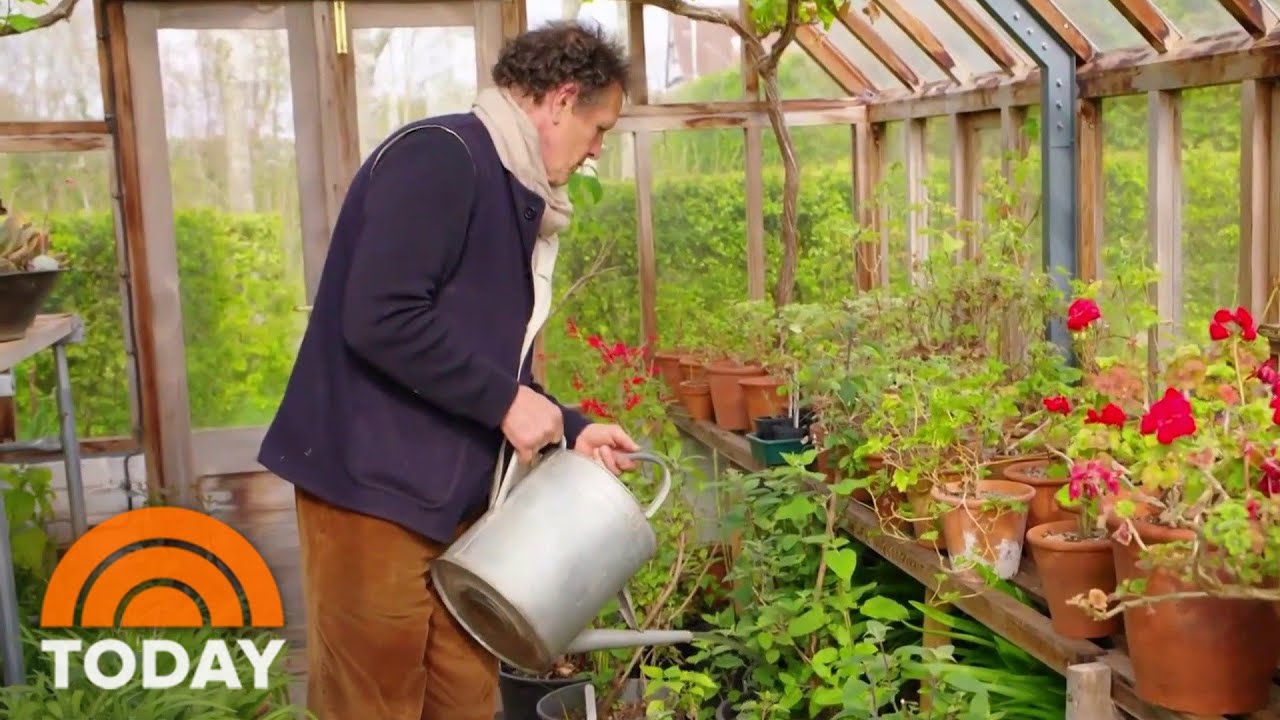
Timing matters too. Early morning is usually the best time to water because plants can take up moisture before the day becomes brutally hot. Evening watering can help in emergencies, but leaves and soil staying damp overnight can sometimes encourage fungal problems, especially in crowded planting.
Mulch is another quiet lifesaver. The RHS recommends improving soil with organic matter, mulching borders annually, storing rainwater in water butts, and using mains water only as a last resort. Mulch helps shield the soil from direct sun, slows evaporation, and keeps the root zone cooler.
For gardeners tempted to fill gaps left by heat-damaged plants, patience may save money. Heatwave planting is possible, but it demands constant care: deep watering, shade cloth, moisture checks, and protection from the harshest sun. Garden experts have warned that seedlings and new plants are especially vulnerable in extreme heat because their root systems are shallow and the soil dries rapidly.
The message is not that your garden is doomed. It is that the priorities must change. Do not plant for instant beauty during a heatwave. Water deeply. Move pots into shade. Group containers together. Mulch bare soil. Protect young plants. Let lawns go a little brown if necessary. And above all, stop treating heatwave gardening like normal summer gardening.
Monty Don’s wider lesson has always been about working with the weather, not fighting it. During this heatwave, that means slowing down, resisting the urge to plant, and giving your garden the one thing it needs most: protection until the heat finally breaks.
