As warmer weather arrives, many gardeners notice the same frustrating problem appearing almost overnight: weeds. One week the borders look tidy, and the next, dandelions, chickweed, nettles and bindweed seem to be pushing through every spare patch of soil.
For anyone trying to keep a garden looking neat without using harsh weedkillers, it can feel like a losing battle. Vinegar, boiling water and other natural weed remedies are often suggested, but they do not always deal with the real problem hiding below the surface — the roots.
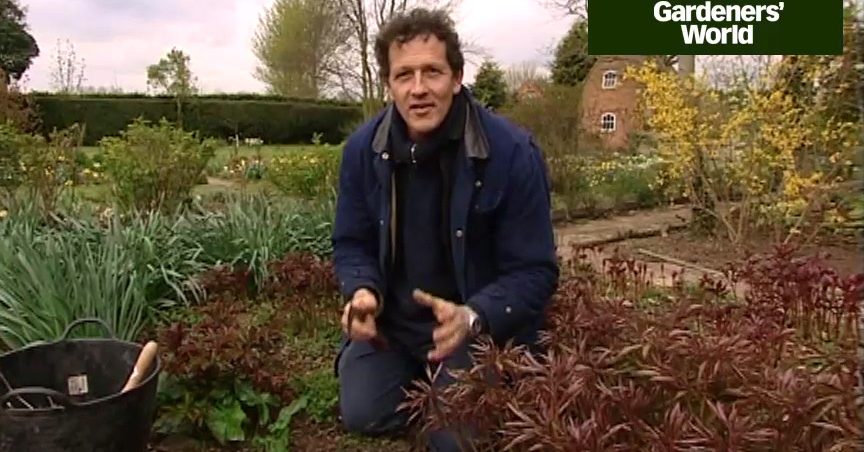
That is why one simple piece of advice from gardening expert Monty Don is worth paying attention to. Instead of rushing across the whole garden and doing a quick surface-level tidy, his method is all about slowing down and clearing one small area properly.
The Best Way To Get Rid Of Weeds Naturally
Monty Don has long encouraged gardeners to take a more patient approach to weeding. His advice is simple: focus on a small section of the garden and remove weeds thoroughly, rather than trying to clear a large space in one go.
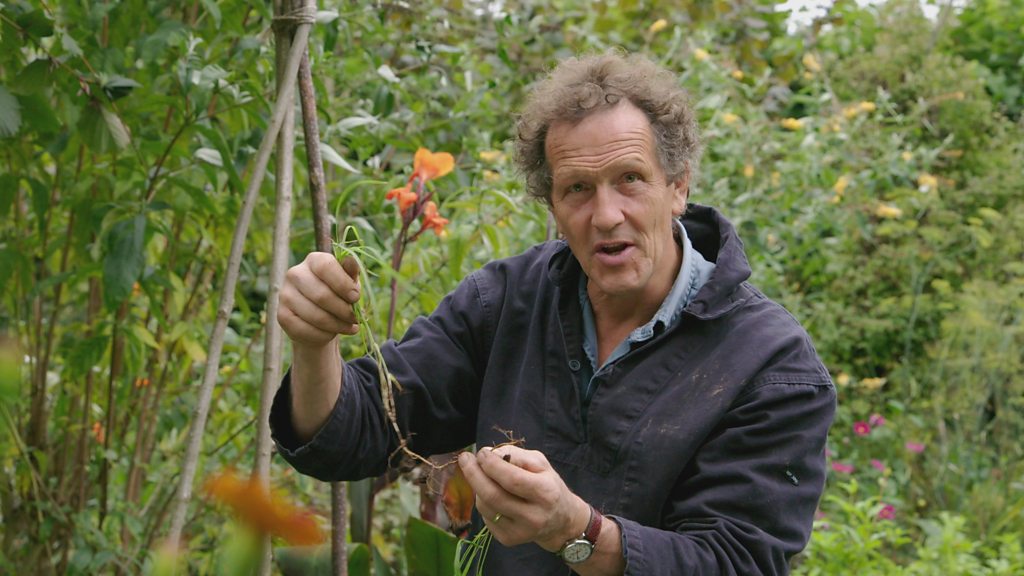
The idea is to work on roughly one metre at a time. That may not sound dramatic, but it can make a big difference. When gardeners try to clear ten metres quickly, it is easy to snap stems, miss roots and leave tiny pieces behind. Within days or weeks, those same weeds can start growing again.
By concentrating on one manageable patch, you can loosen the soil carefully, identify the weeds properly and pull them out from the root. This is especially important with stubborn plants such as dandelions, dock, nettles and bindweed, which can return if their roots are left in the ground.
Why Hand Weeding Works Better Than Quick Fixes
Many natural weed remedies only affect what you can see above the soil. White vinegar, for example, may damage the leaves, but it often does not fully kill deep-rooted weeds. Boiling water can also burn visible growth, but it may not be suitable around plants you want to keep.
Hand weeding is slower, but it is more precise. It allows gardeners to remove unwanted plants without harming nearby flowers, shrubs or vegetables. It also gives you a closer look at the condition of your soil.
When you kneel down and work through a border carefully, you start noticing more than just weeds. You can see whether the soil is compacted, dry, too wet or full of young seedlings. This makes weeding more than just a clean-up job — it becomes a useful way to understand what is happening in your garden.
How To Use Monty Don’s One-Metre Weeding Method
To try this method, choose one small section of a flower bed, border, gravel area or vegetable patch. Do not start with the whole garden. Pick a space that feels realistic to finish in one short session.
Use a hand fork, trowel or weeding tool to gently loosen the soil around each weed. Then pull the plant out slowly, aiming to remove the full root rather than just the leaves. If the soil is dry and hard, watering the area lightly beforehand can make the job easier.
For weeds with long taproots, such as dandelions, push the tool deep enough to lift the root from below. If the root snaps, try to remove the remaining piece before moving on. With creeping weeds such as bindweed, follow the stems carefully and remove as much of the underground growth as possible.
Once that small section is clear, smooth the soil back over and check for tiny seedlings. These are much easier to remove now than they will be later in the season.
The Key Is To Weed Before Plants Set Seed
One of the biggest reasons this method works is timing. Weeds become far harder to control once they flower and set seed. A single plant can scatter seeds across beds, lawns, gravel and paving cracks, creating a much bigger problem later.
By removing weeds early in spring or early summer, gardeners stop them from spreading. This means fewer weeds return, and the garden becomes easier to manage over time.
It also prevents young weeds from developing stronger, deeper roots. Small seedlings can often be lifted in seconds, while mature weeds may need digging, repeated removal and much more effort.
Why This Method Is Better For Flower Beds
Flower beds can be tricky because weeds often grow close to plants you want to keep. Spraying weedkiller or pouring boiling water near flowers can damage them by mistake. Even vinegar can affect surrounding plants if it splashes or soaks into the wrong area.
Hand weeding gives you control. You can remove weeds growing between perennials, around roses, near young bedding plants and along border edges without disturbing everything else.
After clearing the area, adding mulch can help slow down new weed growth. A layer of compost, bark, leaf mould or another garden mulch can block light from reaching weed seeds, making it harder for them to germinate.
A Small Habit That Makes A Big Difference
The most useful part of Monty Don’s advice is that it makes weeding feel less overwhelming. Instead of looking at the whole garden and putting the job off, you only need to deal with one small patch at a time.
Ten or fifteen minutes of careful weeding can make a visible difference. Do that regularly, and the garden stays under control without needing strong chemicals or exhausting weekend-long clean-ups.
For gardeners who want a natural way to get rid of weeds, the message is clear: slow down, work closely, and remove the roots properly. One metre done well is far better than a whole border rushed and left half-finished.
The result is a cleaner, healthier garden — and far fewer weeds waiting to take over when the weather warms up.
