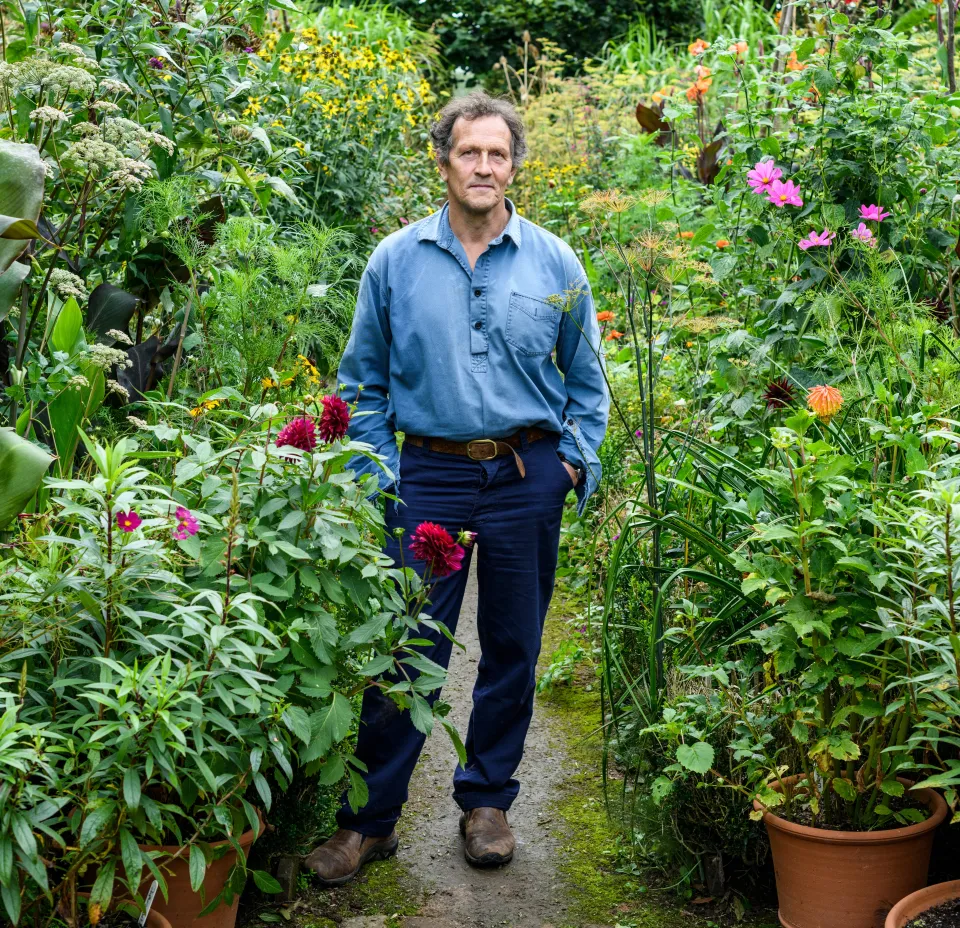
As autumn settles across Britain, gardening expert Monty Don is reminding gardeners that October is far from a month of inactivity. From planting spring bulbs and protecting delicate plants to caring for lawns and improving the soil, the work carried out now can make an enormous difference to how a garden performs next year.
October marks one of the most important transitions in the gardening calendar. Summer flowers gradually fade, trees begin shedding their leaves, and falling temperatures signal that winter is approaching. Yet beneath the surface, the garden remains remarkably active.
For Monty Don, the celebrated Gardeners’ World presenter whose Herefordshire garden, Longmeadow, has inspired generations of viewers, autumn gardening is as much about preparing for the future as managing the present.
His October advice combines practical maintenance with careful planting, wildlife conservation and long-term garden planning.
Why October Gardening Matters More Than You Think
Monty Don’s seasonal advice highlights a fundamental principle of successful gardening: the work completed during autumn often determines the quality of the garden months later.
Planting bulbs now creates spring colour. Improving soil supports healthier growth. Protecting tender plants preserves valuable specimens, while thoughtful management of fallen leaves benefits both the soil and wildlife.
October is therefore not simply about clearing away the remains of summer.
It is about protecting what has been achieved, working with the natural cycle of the seasons and creating the conditions for another successful gardening year.
For gardeners across Britain, the message is clear: make the most of October while the soil remains workable and before winter weather limits the opportunities to prepare.
A little attention now could make all the difference when the garden comes back to life next spring.
Here are 12 essential gardening jobs to prioritise this October.

1. Plant Spring Bulbs Before the Ground Gets Too Cold
One of Monty’s most important autumn recommendations is to plant spring-flowering bulbs while the soil retains some summer warmth.
October provides an excellent opportunity to plant daffodils, crocuses, hyacinths, muscari and ornamental alliums. These bulbs establish roots during the cooler months before producing their spectacular displays next spring.
Good drainage is essential. In containers, Monty recommends using a free-draining compost mixture, incorporating horticultural grit where necessary to prevent excessive moisture around the bulbs.
However, he makes an important distinction with tulips. Unlike many other spring bulbs, Monty generally advises waiting until November or December to plant them, when cooler conditions can help reduce the risk of tulip fire disease.
2. Turn Fallen Leaves Into Valuable Leafmould
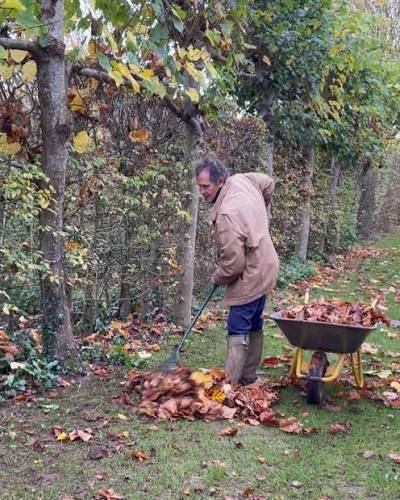
Rather than treating fallen leaves as garden waste, Monty considers them an important natural resource.
Leafmould improves soil structure, helps retain moisture and creates an excellent mulch for woodland plants and garden borders.
His approach involves gathering leaves, shredding them with a lawnmower and allowing them to decompose in an open heap or wire-mesh enclosure.
Over approximately one to two years, depending on the leaves and conditions, they gradually break down into a dark, crumbly material.
Importantly, Monty also encourages gardeners to leave some undisturbed leaf piles beneath hedges and trees.
These provide shelter for hedgehogs, frogs and beneficial insects during colder weather, making leaf management an opportunity to support garden biodiversity.
3. Protect Tender Plants Before the First Frost
October weather can be unpredictable, particularly in exposed gardens and northern parts of Britain.
Monty recommends preparing horticultural fleece, cloches and suitable indoor storage before frost becomes a problem.
Tender plants such as pelargoniums, fuchsias, bananas and citrus trees may need moving into a greenhouse, conservatory or another protected location.
Cloches can also extend the growing season for vegetables, although ventilation remains essential to prevent excessive humidity and fungal problems.
Gardeners should monitor local forecasts rather than relying entirely on the calendar.
An unexpectedly cold night can damage vulnerable plants long before winter officially begins.
4. Keep Dahlias Flowering for as Long as Possible

Dahlias often provide some of the most impressive colour in an October garden.
Monty recommends continuing to deadhead spent flowers while plants remain healthy and actively blooming.
He offers a particularly useful way to distinguish flower buds from faded blooms: unopened buds tend to be rounded, while spent flower heads become more pointed.
Removing finished flowers helps maintain the display until frost eventually brings flowering to an end.
Once the foliage has blackened following the first frost, gardeners in colder or wetter areas can lift the tubers, allow them to dry appropriately and store them somewhere cool and frost-free.
In milder areas with free-draining soil, established dahlias may survive outdoors beneath protective mulch.
5. Sow Sweet Peas and Hardy Annuals for Early Flowers
Although the main growing season is ending, October still offers opportunities to sow flowers for the following year.
Monty regularly recommends autumn sowing of sweet peas, allowing young plants to establish strong root systems before spring.
He suggests sowing several seeds in individual pots or root trainers, initially allowing them to germinate under protection.
Once established, the seedlings can be kept in a sheltered cold frame, protected from severe frost and waterlogging.
Hardy annuals such as nigella can also be sown during suitable October conditions.
Autumn-sown plants often flower earlier than those started in spring, providing a valuable head start for the next growing season.
6. Take Cuttings to Preserve Favourite Plants
October is also a useful opportunity to propagate plants before winter arrives.
Monty particularly recommends taking cuttings from salvias and penstemons, which may struggle through a harsh winter.
Choose healthy, non-flowering shoots and prepare them using a clean, sharp knife or secateurs.
Plant the cuttings in free-draining, peat-free compost, incorporating grit or perlite to improve drainage.
Maintain gentle humidity and provide a bright, sheltered environment without allowing the compost to become waterlogged.
Successful cuttings can be overwintered under protection, providing replacement plants and helping gardeners expand their collections without additional expense.
7. Harvest and Store Apples Carefully
Autumn is one of the busiest periods in the orchard, and Monty places particular emphasis on harvesting and storing apples correctly.
Fruit intended for storage should be picked carefully rather than collected from the ground.
Gently lift and twist each apple, avoiding unnecessary bruising.
Only healthy, undamaged fruit should be stored for extended periods. Bruised or damaged apples are better used promptly.
Arrange suitable apples in trays without allowing them to touch, ideally in a cool, dark, frost-free location with adequate ventilation.
Regular inspections are important because a single rotting apple can compromise nearby fruit.
Correct storage allows suitable varieties to remain usable well beyond harvest time.
8. Give Lawns Their Final Autumn Care
October is an important month for strengthening lawns ahead of winter.
Monty advises continuing to mow while grass is actively growing, but avoiding excessively short cutting heights.
Longer grass generally offers better protection against winter stress than closely shaved turf.
Gardeners can also remove accumulated thatch and moss, while aerating compacted areas to improve drainage and root health.
Where appropriate, an autumn lawn fertiliser can support resilience without encouraging excessive soft growth.
However, scarifying and aerating should be avoided when the ground is waterlogged, frozen or excessively dry.
Regularly removing heavy accumulations of leaves will also prevent the grass beneath them from becoming smothered.
9. Improve Vegetable Beds and Plant Autumn Crops
The vegetable garden still offers productive opportunities throughout October.
Garlic cloves, overwintering onion sets and suitable broad bean varieties can be planted, depending on regional conditions.
Monty has previously recommended autumn sowings of broad beans such as ‘Aquadulce’ to encourage an earlier harvest the following year.
Once summer crops have finished, vegetable beds can be protected with a layer of well-rotted garden compost.
This feeds soil organisms, improves soil structure and helps prepare the ground for spring planting.
Gardeners should also harvest remaining tender crops, including tomatoes, peppers and courgettes, before damaging frosts arrive.
10. Plant Trees, Shrubs and Spring Bedding
October’s combination of residual soil warmth and increasing moisture creates favourable conditions for establishing many new plants.
Monty recommends planting or moving suitable trees, shrubs and hedges during autumn, allowing roots to develop before the growing season begins again.
Newly planted specimens should be watered thoroughly, particularly if conditions remain unusually dry.
October is also a good time to establish spring bedding plants, including wallflowers, forget-me-nots and foxgloves.
Overcrowded herbaceous perennials can be divided where appropriate, rejuvenating established clumps while creating additional plants for other parts of the garden.
11. Prune Climbing Roses and Tidy Selectively

Climbing roses are among the plants Monty recommends attending to during October.
Begin by removing dead, damaged or crossing stems before training healthy main shoots along supports.
Positioning flexible stems as horizontally as possible encourages flowering shoots to develop along their length.
Lateral growth can then be shortened where appropriate, according to the rose’s flowering habit.
Gardeners should distinguish repeat-flowering climbing roses from rambling varieties, which often require different pruning schedules.
Elsewhere, restraint is important. Healthy seedheads and standing perennial stems can provide winter structure, wildlife shelter and food for birds.
Not every fading plant needs cutting down immediately.
12. Prepare the Garden for Winter Wildlife
Monty’s approach to gardening extends beyond ornamental appearance.
Autumn offers an opportunity to make gardens safer for the animals and insects that depend on them.
Leaving sheltered piles of leaves, retaining selected seedheads and creating undisturbed areas beneath hedges can support wildlife through winter.
Gardeners should also check carefully before strimming overgrown areas or disturbing compost heaps, where hedgehogs and amphibians may be sheltering.
Providing clean water and maintaining natural food sources can offer further benefits.
A healthy garden is not necessarily a perfectly tidy one. Sometimes leaving a small area undisturbed is one of the most valuable decisions a gardener can make.
