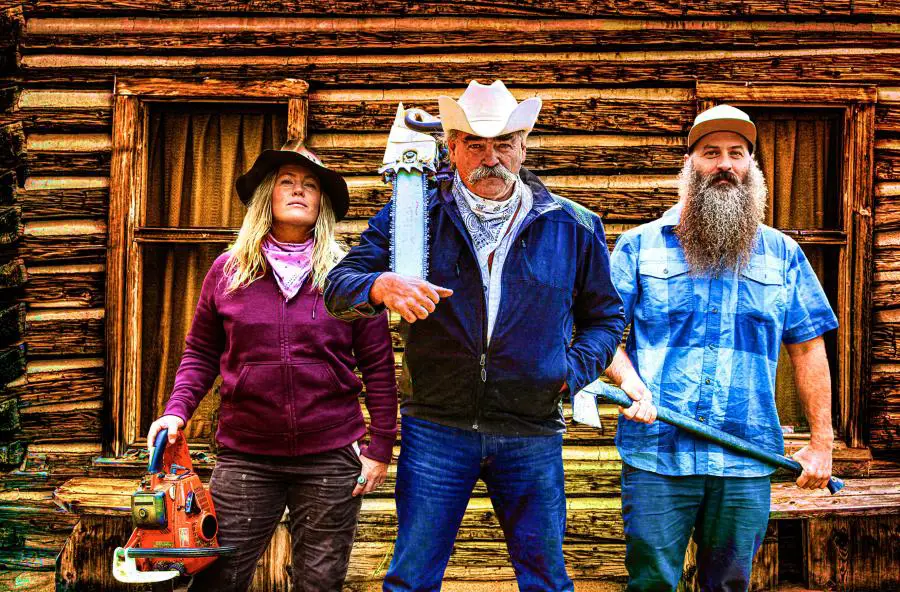
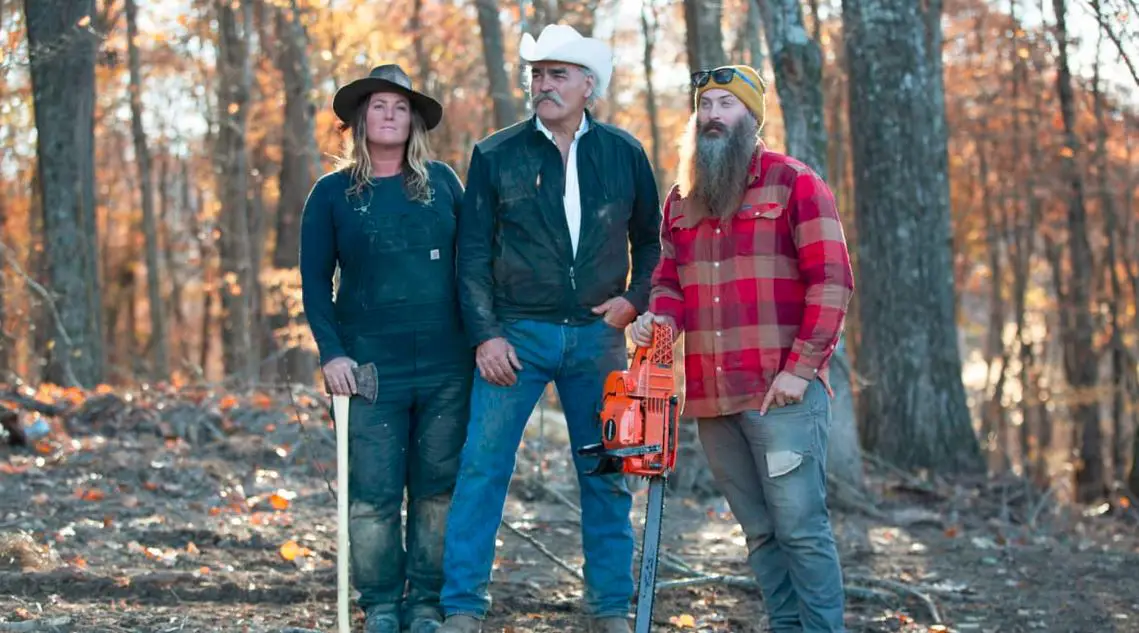
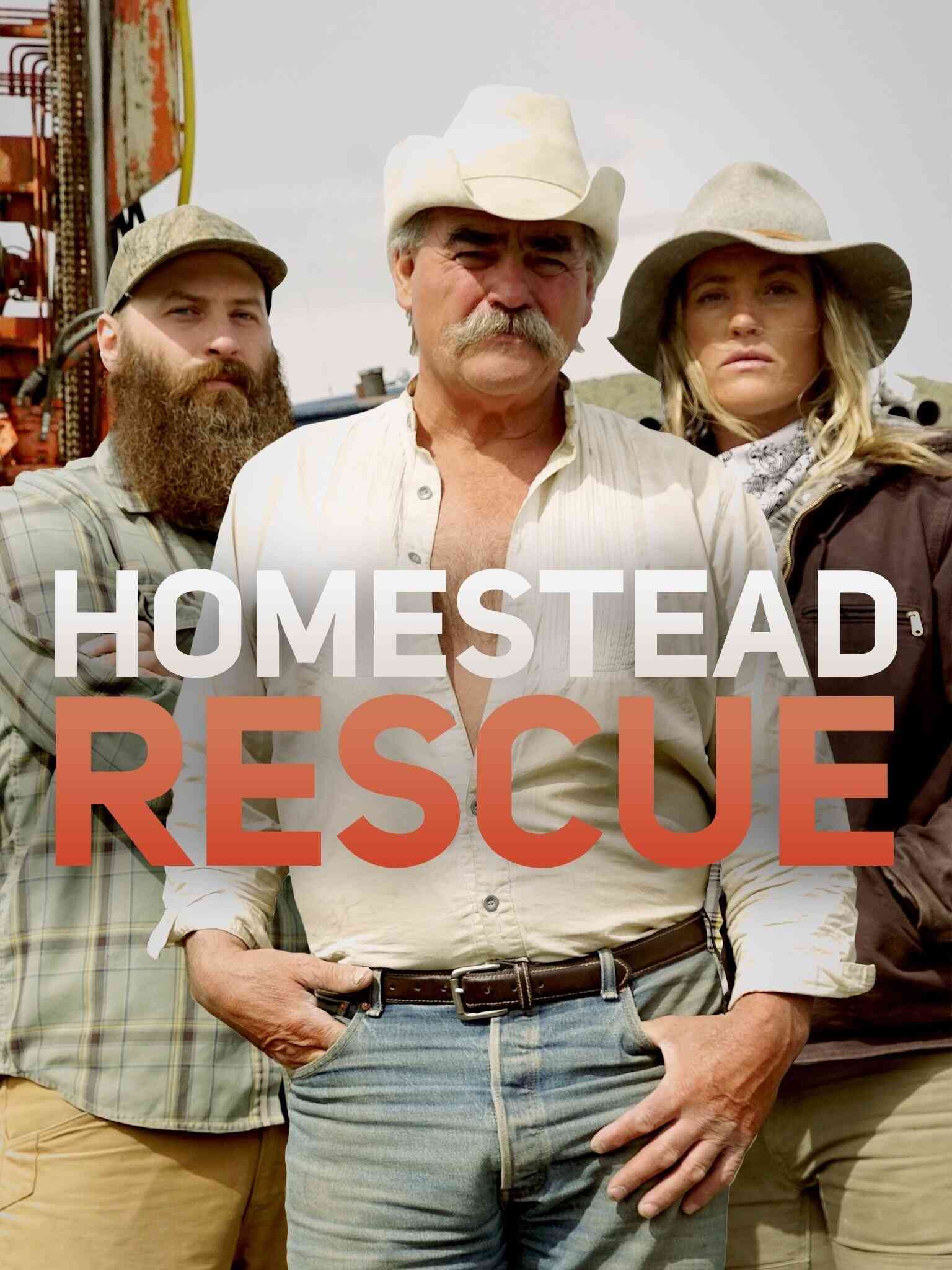
“Homestead Rescue,” a reality television series broadcast on Discovery Channel and Max, has garnered considerable attention since its premiere in 2016. The show centers on the Raney family – comprised of Marty, Matt, and Misty – who leverage their extensive experience in off-grid living, construction, farming, and hunting to assist individuals and families across the United States struggling with the challenges of homesteading. Over its numerous seasons and spin-offs, the program has documented the Raneys’ efforts to provide crucial skills and resources to those seeking a more self-sufficient lifestyle in remote and often demanding environments. This report aims to provide a detailed account and analysis of the legal actions that have been filed against “Homestead Rescue.” By exploring the allegations brought forth by the plaintiffs, the context of these legal actions within the broader framework of the show, and the potential ramifications for the reality television industry, this analysis seeks to offer a comprehensive understanding of the legal challenges encountered by the program.
The production of reality television inherently carries the risk of legal challenges, particularly concerning the portrayal of individuals who participate in these shows. Unlike scripted dramas, reality programs feature real people in unscripted situations, making them susceptible to claims of defamation if participants believe they have been falsely presented in a manner that harms their reputation.
Similarly, allegations of misrepresentation can arise when participants feel the show has distorted their skills, intentions, or the reality of their circumstances, leading to potential harm. Breach of contract lawsuits may occur if participants believe the production company has violated the terms of their agreement, and in some instances, claims of invasion of privacy can be made.
The process of filming and editing real-life events to create a compelling narrative can sometimes lead to a divergence between the participants’ lived experiences and their on-screen portrayal. This delicate balance between capturing authentic moments and constructing engaging storylines is a potential source of misinterpretations and, consequently, legal disputes.
Several indications within the available information point to legal actions taken against “Homestead Rescue.”
References such as “Kim and Josh’s ‘Homestead Rescue’ Lawsuit” , the mention of a Virginia couple suing the show because they were allegedly invited as “accomplished homesteaders” but portrayed as being in need of aid , and statements confirming that homesteaders sued the production due to negative portrayals all suggest that the show has faced legal scrutiny from some of its participants.
The primary contention in these cases appears to center on the idea that the homesteaders’ skills and the nature of their involvement were misrepresented in the final broadcast.
3. The Kim and Josh Zabec Lawsuit (Episode “Under Siege”)
The second episode of the first season of “Homestead Rescue,” titled “Under Siege,” featured Kim and Josh Zabec, a couple residing in Virginia. As depicted in the episode, the Raneys were called in to assist the Zabec family with a multitude of challenges threatening their homestead.
These included issues with pigs reportedly destroying the property, predators allegedly killing their livestock, and the imminent danger posed by a large oak tree that threatened to fall on their cabin.
The narrative of the “Under Siege” episode strongly suggests that the Zabecs were facing significant struggles in their homesteading efforts and were in need of the Raneys’ expertise to overcome these obstacles. This portrayal of homesteaders grappling with fundamental survival challenges stands in stark contrast to the Zabecs’ later claims.
Kim and Josh Zabec reportedly initiated legal action against the producers of “Homestead Rescue,” alleging that they were led to believe they would be presented to the audience as experienced and accomplished homesteaders.
Instead, they claimed the show portrayed them as inexperienced novices who were in dire need of rescue by the Raney family. This discrepancy between their understanding of the show’s premise for their participation and their final depiction on television formed the basis of their lawsuit.
Further confirmation of their legal action and its motivation can be found in comments indicating they sued due to a negative portrayal. One online discussion even notes a user’s negative reaction to the couple’s portrayal in the episode, directly linking it to the subsequent lawsuit.
The couple operated a homestead known as “Revolutionary Roots Farm” located in Kinsale, Virginia. Prior to their appearance on “Homestead Rescue,” they had already been engaged in homesteading activities, including raising livestock, as documented in a Modern Farmer article published in November 2015.
This background suggests that Kim and Josh Zabec possessed a degree of experience in homesteading before their involvement with the show, which lends credence to their assertion that they were not complete novices as they felt they were depicted.
Despite their claims, the lawsuit filed by Kim and Josh Zabec against “Homestead Rescue” was reportedly unsuccessful. According to available information, the case was thrown out by the court due to a lack of sufficient evidence to support their allegations.
This outcome underscores the significant hurdles that plaintiffs often face when attempting to prove claims of misrepresentation in the context of reality television.
The legal system typically grants considerable latitude to production companies in terms of editorial control and narrative construction, making it challenging to demonstrate that a particular portrayal constitutes actionable harm.
4. Lawsuit Involving Other Virginia Homesteaders
In addition to the legal action taken by Kim and Josh Zabec, there is mention of another instance where homesteaders from Virginia pursued legal action against “Homestead Rescue”.
This second lawsuit involved a different couple from the same state and echoed similar grievances against the show’s portrayal of their homesteading abilities and circumstances.
As stated in one online discussion, this couple also claimed they were invited to participate in a show that they believed would highlight their accomplishments in homesteading. However, their experience mirrored that of the Zabecs, as they alleged the show ultimately depicted them as individuals in need of significant assistance, and that the overall portrayal was “far from reality”.
This suggests a potential pattern where homesteaders in Virginia who appeared on the show felt their skills and self-sufficiency were misrepresented to fit a narrative of struggle and rescue.
Like the lawsuit filed by Kim and Josh Zabec, the legal challenge brought by this other Virginia couple also reportedly ended in dismissal due to a lack of supporting evidence.
The consistent outcome in both reported cases highlights the difficulties associated with successfully litigating claims of misrepresentation against reality television programs.
The legal framework often requires demonstrating not only that the portrayal was false but also that there was intent to harm and that actual damages were incurred as a direct result of the misrepresentation.
A significant commonality exists between the two reported lawsuits filed by Virginia homesteaders against “Homestead Rescue.” In both instances, the plaintiffs asserted that they were invited to participate with the understanding that their established homesteading skills and successes would be the focus of their episode.
However, the final broadcast allegedly presented a narrative where they were depicted as struggling individuals in need of substantial intervention from the Raney family. This perceived misrepresentation raises questions about the potential impact on the homesteaders’ personal narratives, their credibility within the homesteading community, and their overall reputation.
The fact that both lawsuits were reportedly dismissed due to a lack of evidence points to the considerable legal challenges involved in proving misrepresentation in the realm of reality television.
To succeed in such a claim, plaintiffs typically need to demonstrate that the show presented demonstrably false information, that the producers acted with a degree of fault or intent to harm, and that the misrepresentation caused actual damages. Reality television production often involves a significant degree of editing, narrative framing, and the strategic use of footage and sound to create a compelling storyline.
This inherent subjectivity in the storytelling process makes it difficult to definitively prove that a particular portrayal is objectively false or was presented with malicious intent.
Furthermore, participants in reality television shows often sign contracts that grant production companies broad editorial control over the final product and include liability waivers regarding their portrayal.
These contractual agreements can further complicate legal challenges based on misrepresentation. As one former participant in a different reality show noted, while the events and emotions experienced were real, producers often request participants to “recreate that emotion” for different camera angles, and footage is routinely edited for dramatic effect.
This behind-the-scenes manipulation can lead to a final portrayal that, while rooted in real events, may not accurately reflect the entirety of the participants’ experiences or intentions.
6. Broader Context: Controversies and Authenticity in “Homestead Rescue”
Beyond the specific legal challenges, “Homestead Rescue,” like many other reality television programs, has faced broader criticisms and discussions regarding its authenticity and the potential for staged drama or exaggeration.
Some viewers have expressed skepticism about the level of preparedness and competence exhibited by the homesteaders featured on the show, with one online commenter describing them as “absolutely stupid”.
Others have found the dramatic elements of the show to be “contrived” , suggesting that the situations and reactions might be amplified for entertainment purposes. Conversely, many fans have praised the Raney family for their genuine expertise and their commitment to helping those in need.
One individual who claimed to have participated in the show attested to the Raneys’ sincere desire to assist struggling homesteaders. This divergence in viewer opinions highlights the subjective nature of interpreting reality television and the varying expectations audiences hold regarding the authenticity of such programs.
Insights from behind the scenes of “Homestead Rescue” further illuminate the complexities of its production. According to someone claiming to have worked on the show, the selection process involves scouting and extensive planning, and filming for a single episode can take approximately 12 days.
This intensive filming schedule results in a vast amount of footage that is ultimately condensed and edited to fit the narrative of a roughly 45-minute episode.
While the majority of homesteaders featured on the show are reportedly grateful for the assistance they receive , the process of selecting specific moments and crafting a cohesive storyline inevitably involves editorial choices that can shape the viewer’s perception of the participants and their circumstances.
4 Comments
Pat · March 23, 2023 at 8:43 pm
I saw that episode, the couple the Raneys we’re trying to help, clearly we’re very obstinate and rude to Marty and Misty. This couple was in over their head, anyone could see that! Their expectations of themselves being experienced homesteaders clearly was too high!!!! Glad the law
suit was dismissed!!!
Dale A Sharp · March 23, 2023 at 9:36 pm
I love this show. I’ve learned a lot and I don’t live off grid but I enjoy learning and new ideas. What I get from this show: Be open to helping others out (off grid or not), want to live off grid? maybe watch this show first, lol, don’t throw it out if it could be used for something later, off grid living seems to be very hard work but also rewarding, feel good stories and laughter. I space my recordings out so when I need some motivation I’ll watch a show and it gets me moving. It’s a great idea and show. Much love from Carmichael CA.
Steven Goodwin · April 2, 2023 at 4:00 pm
I would love to hear one of the Raneys mention 2 things: 1) The best, and most important tool to be used on the homestead is, the one between your ears, and 2) LEVERAGE IS YOUR FRIEND! I was also born in 1957, and after retiring from multiple jobs that had me working with (and around) heavy equipment, (and in a lot of off road environments), I believe that helping others in need is the right thing to do.I also have the pleasure of writing “Opinions” articles in a local paper, (The Hernando Sun), and try to instill many of the ideas that both of our families ascribe to.Sincerely, Steven Goodwin, Brooksville, Florida.as (and values) that both of our families ascribe to May God bless you and your family! P.S.One of my recent stories (titled, “Sometimes the story comes to me”), involved me flipping (or “righting” a skid steer excavator with just my 3/4 ton truck (a few log chains wrapped around the back hitch to a tree, and the 12K winch on the brush rail of the dodge). They told me it couldn`t get the job done, and I had it back in operation in less than 1/2 hour! (just sayin`) Again- Leverage is your friend!
Raymond York · April 12, 2023 at 12:44 am
Homestead Rescue is one of the BEST reality shows on Television! Possibly the BEST!!