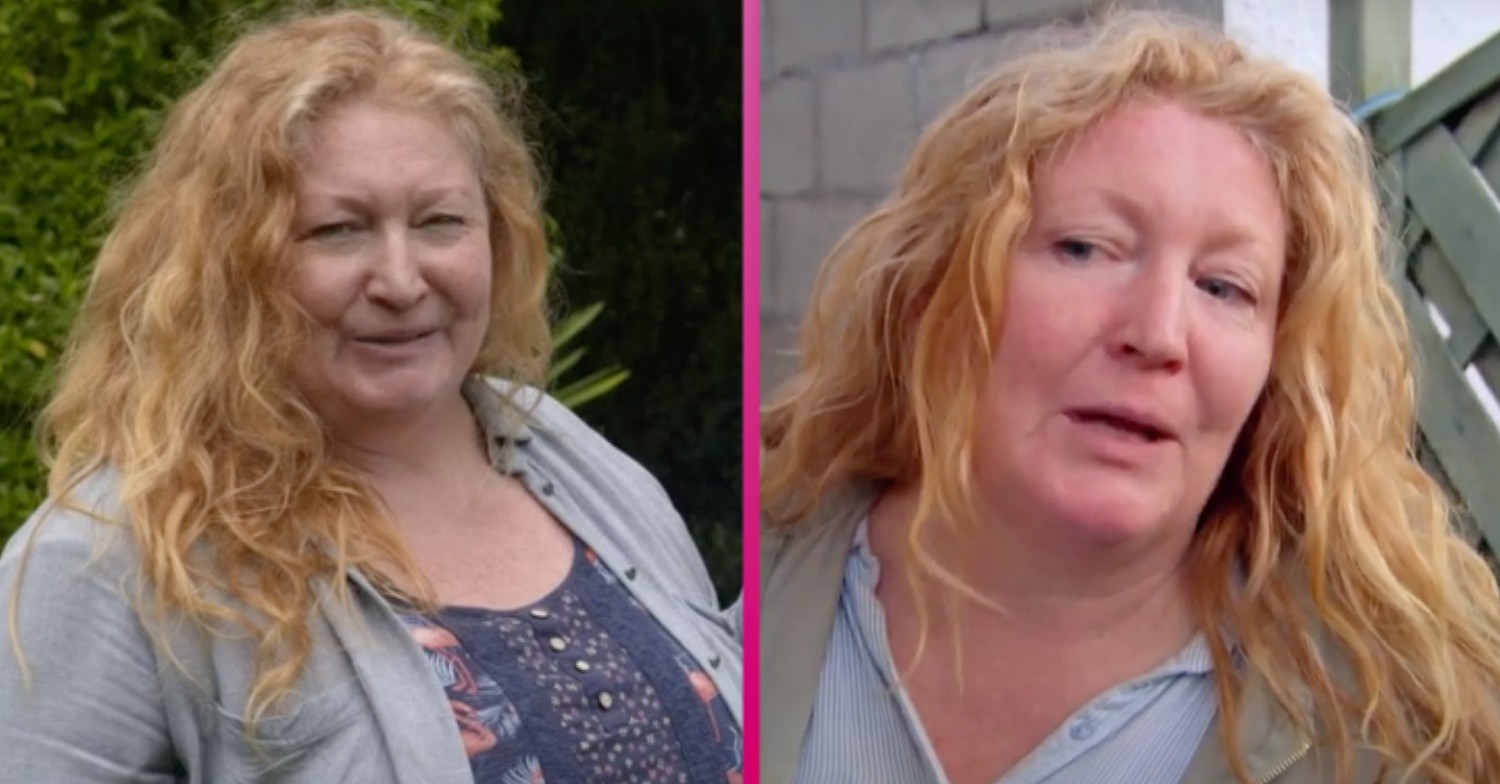
When Charlie Dimmock returned to television with Garden Rescue, many viewers expected a burst of nostalgia — the same earthy humor, the same practical gardening know-how, and the same no-fuss attitude that made her a household name during the Ground Force years.
And in many ways, that is exactly what they got.
Charlie was still Charlie: warm, hands-on, unpretentious, and completely at home in the mud. But her return also exposed something far less charming — the internet’s habit of treating a woman’s appearance as public property.
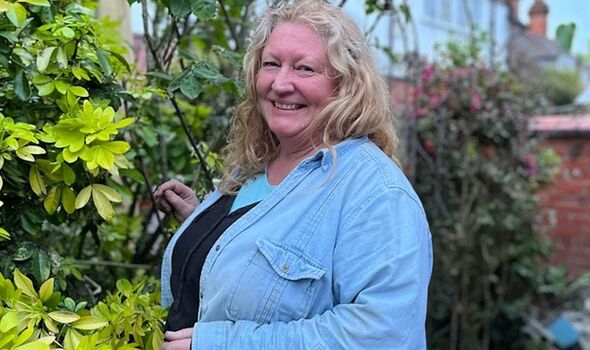
Instead of focusing only on her garden designs, her decades of experience, or the fact that she had successfully carried a TV career across generations, some viewers zoomed in on her weight. Before long, Charlie Dimmock’s body had become a topic of debate, speculation, and, in some cases, outright cruelty.
Charlie Dimmock’s return brought nostalgia — and unfair judgment
Charlie first became famous in the late 1990s as part of the hugely popular BBC gardening makeover series Ground Force, alongside Alan Titchmarsh and Tommy Walsh. By the time she returned to regular television through Garden Rescue, more than a decade had passed since her original prime-time breakthrough. Radio Times noted the shift clearly in 2016: the old denim shorts and vest image had been replaced by jeans, an overshirt, and waterproof boots — practical clothes for practical work.
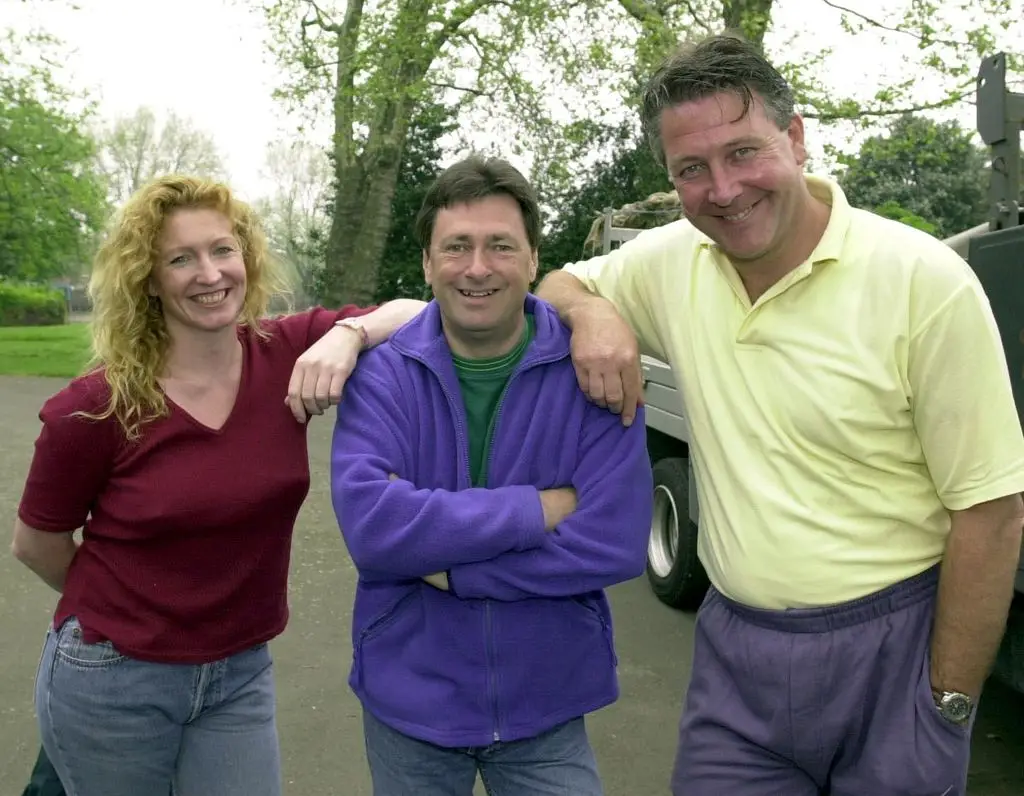
That should have been a simple evolution. A woman in her 50s dressing for the job in front of her. But for some viewers, Charlie was still frozen in the late-90s version they remembered. That created an unfair comparison: real-life Charlie versus a nostalgic image that had never allowed her to age, change, or simply exist like everyone else.
The reaction said less about Charlie and more about the way audiences sometimes treat famous women. A male TV gardener can grow older, change shape, dress differently, and keep working without it becoming a national talking point. But Charlie’s appearance was repeatedly framed as if it needed explanation.
The problem started long before the weight comments
Part of the reason Charlie’s weight became such a talking point is that her image had been heavily discussed from the beginning of her fame. She was never just presented as a gardener. At the peak of Ground Force, she was also framed by the media as a “pin-up,” a national crush, and a symbol of natural, unpolished TV appeal.
A 1999 Observer profile captured this perfectly, describing Charlie as someone who had not chased fame but had become “the nation’s favourite gardener,” with a public image that revealed more about the audience than about her. The piece also made clear how much of the attention around her was tied to projection, fascination, and the media’s fixation on her body rather than just her work.
That matters because it set a trap. Once the public gets used to seeing a woman as an image, some people react badly when she stops matching that image. Charlie did not owe anyone the same body, the same clothes, or the same “pin-up” persona years later. But the reaction to her return proved that some viewers still expected her to remain locked in time.
What Charlie Dimmock has actually said about her weight
The most important part of this story is also the simplest: Charlie has spoken about her weight in a calm, matter-of-fact way. She has not built a dramatic “health battle” narrative around it. She has not sold a transformation story. She has not used it as a brand.
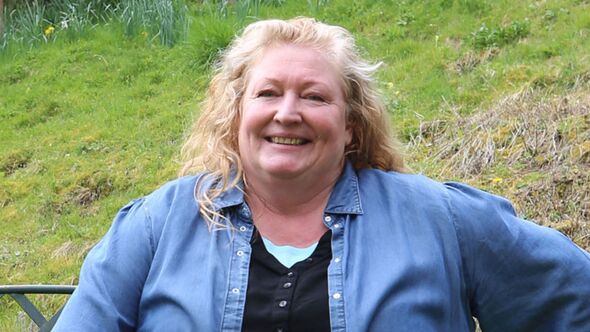
In a 2016 interview, Charlie said she had always been “up and down” with her weight and accepted that she would never be “slim or skinny.” She explained that one season she might be a size 14 and another season a size 18, but she had reached a point in life where she accepted it, adding that life was too short to worry so much.
That quote is often treated like a confession, but it is really a boundary. Charlie was not inviting the public to diagnose her. She was simply saying that her body had changed over time and that she had made peace with it.
And honestly, that should have been enough.
The hypothyroidism rumor: what is verified and what is not
Because Charlie’s weight became a public talking point, online speculation followed. One of the repeated theories is that she may have hypothyroidism, also known as an underactive thyroid. This rumor appears mostly in fan comments, forums, and social media discussions — not in a confirmed statement from Charlie herself.
For example, a Digital Spy forum discussion about Charlie’s appearance included a commenter saying weight gain can have many causes, including an underactive thyroid or depression. But that was a viewer’s guess, not a verified medical fact.
That distinction is important. Hypothyroidism can cause weight gain, fatigue, low mood, dry skin, hair changes, and sensitivity to cold, according to the NHS. So medically, it is understandable why some people bring it up in general conversations about weight.
But there is a big difference between saying, “hypothyroidism can cause weight gain,” and saying, “Charlie Dimmock has hypothyroidism.” The first is general medical context. The second is a personal health claim — and there does not appear to be a widely verified public source where Charlie has confirmed that diagnosis.
So the most responsible wording is this: some online viewers have speculated about hypothyroidism, but Charlie Dimmock has not publicly confirmed a thyroid diagnosis in a reliable, widely verifiable source.
Why the thyroid rumor became so tempting online
The internet loves a neat explanation. When a celebrity’s appearance changes, some people want a single answer: illness, medication, stress, thyroid, menopause, diet, or lifestyle. Sometimes that curiosity comes from concern. Other times, it is just gossip dressed up as concern.
With Charlie, the thyroid rumor became convenient because it allowed people to keep talking about her body while pretending the conversation was medical. But unless Charlie chooses to share that information herself, her private health is not something audiences are entitled to fill in.
It is also worth noting that thyroid talk often gets confused online. Hypothyroidism, or an underactive thyroid, is commonly linked with weight gain. Hyperthyroidism, or an overactive thyroid, is more commonly linked with weight loss, nervousness, heat sensitivity, and a fast or irregular heartbeat, according to the NHS.
That does not mean thyroid conditions are simple or identical for everyone. They are not. But it does show why online diagnosis is risky. Viewers see a body change, attach a medical label, and then repeat it until it sounds like fact.
Lorraine Kelly called out the double standard
The backlash over Charlie’s appearance did not go unnoticed. Lorraine Kelly was among those who publicly defended her, calling the abuse unfair and pointing out the gendered double standard. Entertainment Daily later revisited Lorraine’s comments, noting her argument that if Alan Titchmarsh had developed a “pot belly,” people likely would not have reacted the same way.
That is the heart of the issue.
Charlie’s body changing was never the real scandal. The real scandal was how quickly some people felt entitled to comment on it, mock it, and demand an explanation for it. Women on television are often expected to age softly, quietly, and almost invisibly. If they change too much, they are criticized. If they fight aging too obviously, they are criticized for that too.
Charlie’s situation became another example of how impossible those standards can be.
