Jessie Holmes first captured public attention as the fast-talking subsistence hunter on National Geographic’s Life Below Zero. Off-camera, though, he was already building the life that would define him: a kennel, a training system, and a competitive mushing résumé. Based out of the Nenana/Brushkana area, Holmes operates Team Can’t Stop—a name that’s equal parts mantra and mission. He has long described himself as a subsistence hunter, carpenter by trade, and musher by calling.
Rookie of the Year to perennial top-10
Holmes burst onto the Iditarod scene in 2018, finishing 7th and taking home Rookie of the Year—an exceptionally rare result for a first-timer. Before that debut, he’d already proven long-distance chops by winning the 2017 Kobuk 440, a spring classic that tests late-season trail craft in Alaska’s Arctic. Those early results signaled a musher who mixed raw speed with dog-care discipline—good enough to contend, patient enough to last.
Between 2018 and 2021, Holmes settled into the grind of 1,000-mile racing. He banked another top-10 (9th in 2020) and endured the pandemic-era “Gold Trail Loop” Iditarod of 2021 (15th), a year when the race’s altered route and rhythms forced mushers to adapt on the fly. These seasons hardened Team Can’t Stop for what came next: podium pace.
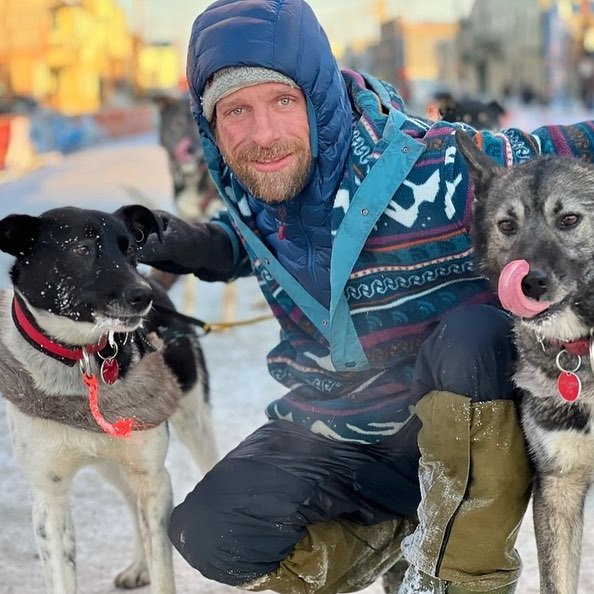
The 2022 breakout: a podium and a warning shot
In 2022, Holmes delivered a statement run—3rd place behind Brent Sass and Dallas Seavey—proving he could run with the sport’s heaviest hitters across the full distance to Nome. It wasn’t just the placement. It was how he got there: big mileage, stout dog care, and steady checkpoint execution—hallmarks of teams built to contend for a win.
Disaster in Golovin—and a long rebuild
Six months later, during post-typhoon recovery work in Golovin, a structure partially collapsed. Holmes was trapped beneath building materials and suffered broken ribs, a broken wrist, and internal injuries. Fellow mushers helped pull him out. The incident sidelined training and raised hard questions: could a musher built on relentless motion throttle back long enough to heal—and then return to 1,000-mile form?
2023–2024: back to the sharp end
The answer came across the next two Iditarods. In 2023 he clawed back to a top-five (5th), then in 2024 he hit the podium again (3rd). These back-to-back results, arriving after a serious injury and interrupted off-season, showcased precisely the kind of durability that wins blue ribbons in long-distance mushing: a clear training ethos, deep kennel depth, and a musher willing to manage pace instead of chasing every split.
2025: the win—and what it meant
On March 14, 2025, Holmes won Iditarod 53, covering a lengthened course (the longest in race history) in 10 days, 14 hours, 55 minutes, and 41 seconds. The route started in Fairbanks due to low snow, a change emblematic of the sport’s climate-driven adaptations. At the finish, Holmes credited his dogs—especially lead pair Hercules and Polar—and spoke openly about “magical” moments on the trail. In a historically small field of 33 starters, he managed the variability, the longer distance, and the attrition better than anyone.
The stat line: eight seasons to a title
Holmes’s Iditarod ledger tells the story of a steady climb:
-
2018: 7th (Rookie of the Year)
-
2019: 27th
-
2020: 9th
-
2021: 15th
-
2022: 3rd
-
2023: 5th
-
2024: 3rd
-
2025: 1st
Six top-10s in eight starts, culminating in a championship—numbers that put him into the race’s contemporary elite.
Team Can’t Stop: dogs, details, and a training philosophy
A through-line in Holmes’s public comments and profiles is dog-first decision-making: build large volumes of steady training miles, develop multiple reliable leaders, and keep turnover low so the core learns the musher as much as the musher learns the team. The 2025 win showcased that approach with Hercules and Polar steering through variable trail and weather; Holmes’s framing—“my dogs deserve the credit”—isn’t humility theater so much as a thesis statement about how his kennel competes.
Jessie Holmes Dog health update.
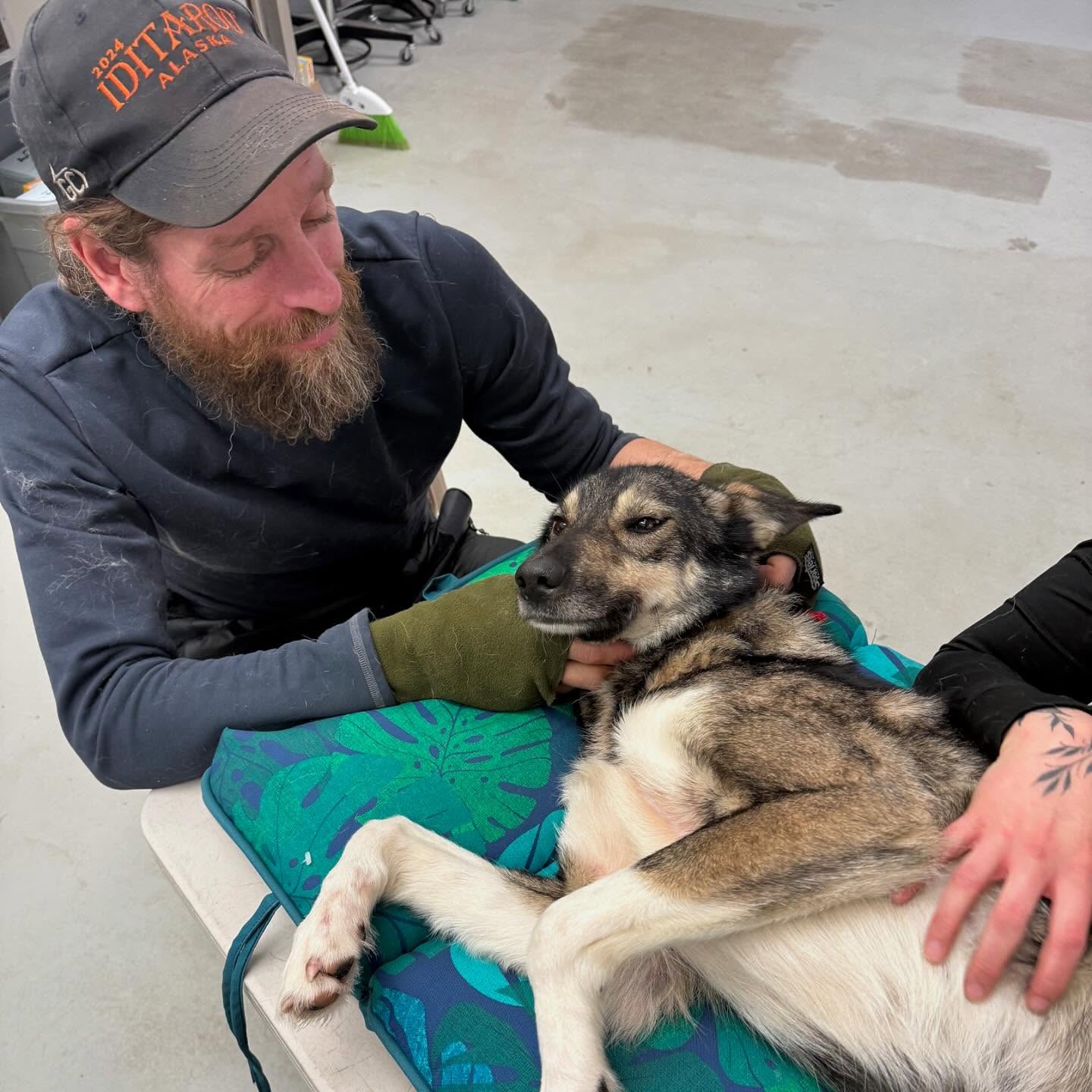
Jessie Holmes recently sparked concern among fans after posting a photo of his sled dogs at the veterinary clinic, prompting worried questions about their health. Many followers feared something might be wrong with one of his beloved canine athletes.
In response, Holmes reassured everyone that the visit was purely routine and part of the Iditarod’s strict wellness standards.
“Thank you to the Iditarod’s amazing veterinary program for prioritizing our dogs’ safety and well-being on the trail,” Holmes explained. “Yesterday my 22-dog roster completed their EKGs and blood work. This is done yearly to make sure that they are all fit and in top shape to run a 1,000-mile race. The dogs did such a good job showing off their good training by being so easy to handle through it all. We also got the best group photo to date with everyone getting to pick their favorite dog to take the picture with, and there were some great picks! Special thanks to Barbara and Deborah for helping me yesterday with the dogs.”
Holmes’ update confirmed that all of his dogs are healthy, happy, and ready for the upcoming race season — putting fans’ minds at ease while giving them a heartwarming glimpse behind the scenes of Team Can’t Stop.


0 Comments