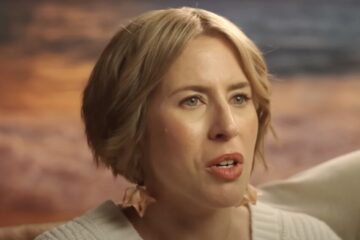
For more than a decade, Sue Aikens has been one of the most recognizable faces on Life Below Zero, the National Geographic docuseries that chronicles the extreme realities of living in remote Alaska. Known for her fierce independence and sharp wit, Aikens has spent years alone at her Kavik River Camp, hundreds of miles from the nearest town. Her life is a constant battle against the elements, the wildlife, and the challenges of self-reliance in one of the most unforgiving environments on Earth.
Life in Alaska’s remote interior is not just about enduring cold—it’s about surviving isolation, resource scarcity, and unpredictable danger. Winter temperatures in Aikens’ region can plummet far below zero, with wind chills that make exposed skin freeze in seconds. Even the simplest tasks—hauling water, chopping wood, or repairing equipment—can become a fight for survival.
For Sue, there’s no neighborhood, no quick trip to the store, and certainly no emergency room nearby. The nearest medical help can be hundreds of miles away, and in bad weather, air transport becomes impossible. In such conditions, self-reliance isn’t just admirable—it’s essential for survival.
Aikens has never shied away from sharing the harsh realities of her life, including the physical toll it has taken on her body. One of her most well-known survival stories dates back to 2007, when she was attacked by a grizzly bear. The bear inflicted severe injuries, tearing at her body and leaving her with broken bones. Alone and bleeding, she had to patch herself up and wait for help, surviving for ten days before rescue.
Over the years, she has also faced numerous injuries from slips, falls, and the constant strain of heavy labor in extreme cold. Each incident has reinforced the risks of living off-grid in a land where a simple mistake can quickly turn deadly.
One major incident was when she suffered a herniated disc that required surgery. Sue described the pain as “sometimes unbearable,” but she laughed in the face of it and managed to recover through sheer determination.
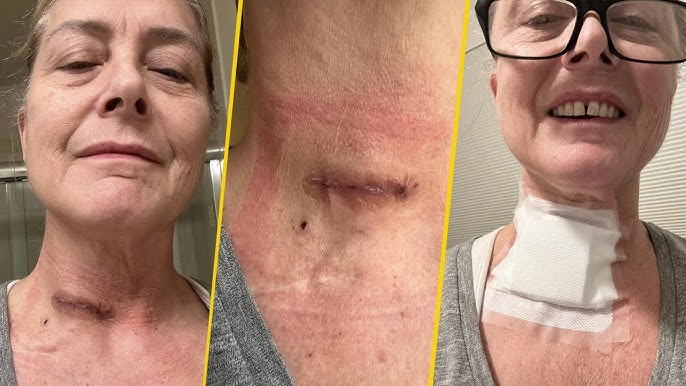
This past winter, Sue faced yet another life-threatening ordeal—one that left her with serious third-degree burns. In a recent update to her followers, she recounted the harrowing details of the accident. While working near her stove, she slipped, and her arm became trapped against the stove’s metal stack.
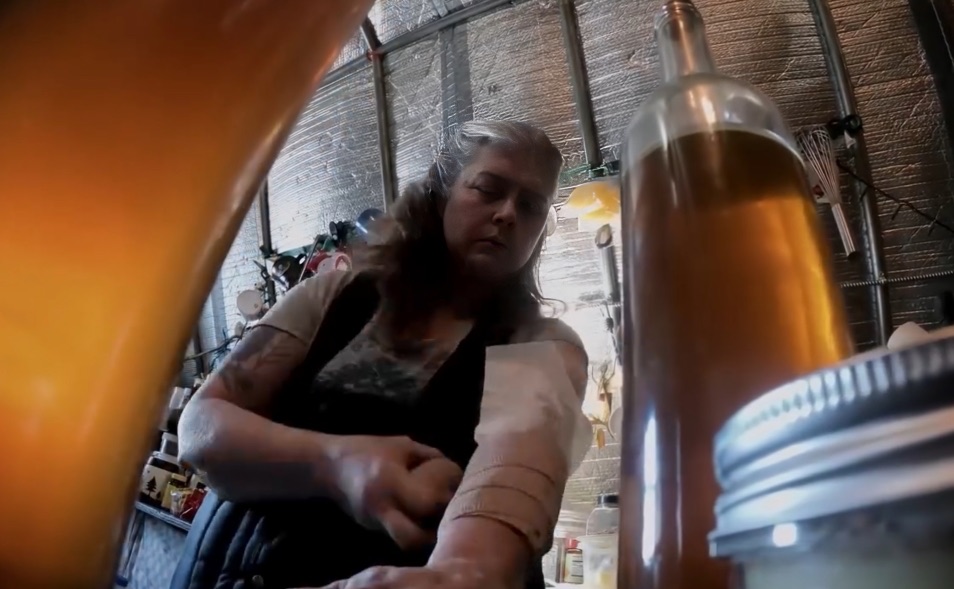
The heat instantly seared through her skin, welding her arm to the metal. She described the horrifying smell of burning flesh and the pain as the skin blistered and burned down to the muscle tissue. Her entire hand was affected, the burns bubbling up around it.
The injury occurred during one of the coldest stretches of the season, with wind chills reaching a staggering negative 104 degrees. With no planes flying and no way for emergency services to reach her, Aikens was left entirely on her own to treat the wound. Many people, she noted, have died in such conditions—not from the cold alone, but from accidents compounded by the inability to get medical help in time.
Remarkably, Sue credits part of her healing to a traditional remedy she made herself—antler medicine from a caribou she had harvested earlier. This salve helped protect and regenerate the delicate skin, which she described as “baby-butt thin” and still extremely sensitive.
Even so, the injury has impacted her ability to carry out daily tasks. She’s been unable to haul as many buckets of water as usual, and the limited supply she has on hand is of questionable quality. Exposure to the cold remains painful, and lifting heavy weights is still out of the question. Five-gallon buckets are her limit, and each chore takes more time and effort than before.
0 Comments