March can fool even experienced gardeners. A bright, mild day can make it feel as if spring has fully arrived, then frost, wind, or cold rain reminds you winter is not quite done. That is why Monty Don treats March as a month for groundwork rather than overconfidence. On his site, he calls it a fast-changing time and writes, “March is always an exciting month,” because the garden is clearly waking up even while the weather stays unpredictable.
The real lesson in Monty’s March advice is discipline. This is the point in the year when small, timely jobs set up the whole season ahead. Instead of rushing to plant everything at once, he focuses on dividing, pruning, tidying, sowing carefully, and getting the soil and borders ready before spring growth really accelerates.
Divide tired perennials before growth takes off
One of Monty Don’s smartest March jobs is refreshing herbaceous perennials. As he puts it, “Any herbaceous plant can be divided this month.” His method is straightforward: lift the clump, throw the worn-out center onto the compost heap, and replant the stronger outer sections. It is a simple way to revive older plants, improve vigor, and stop borders from becoming congested. He also says this job is worth doing every three to five years, which is why March is such a useful moment to tackle it.
If your borders have become crowded or certain perennials flower less than they used to, this is one of the highest-value jobs you can do now. Dividing early lets the replanted sections settle in before the main spring surge, which usually means stronger growth and better flowering later on.
Trust the soil, not the calendar
Monty is very clear that sowing and planting in March should be guided by conditions, not by habit. From his March advice: “The only way to know this is by touch.” His point is that soil may look ready on the surface but still be too cold underneath. If it feels cold and clammy in your hand, seeds will struggle and roots will sit still. If it feels workable, crumbly, and warmer to the touch, that is a much better signal to start.

The RHS gives the same practical warning for March vegetable sowing. It recommends outdoor sowing only in suitable conditions and notes that crops such as broad beans, carrots, parsnips, beetroot, lettuces, radish, peas, and spinach can be sown outside in mild areas with light soil, but only if the weather cooperates. Indoors, the RHS recommends starting crops like tomatoes, cucumbers, sweet peppers, aubergines, celery, and salads.
Give the lawn a gentle reset
Lawns are another major March priority for Monty Don, but not in the overly fussy way many gardeners imagine. He advises people to focus on healthy grass rather than chasing perfection and fighting every daisy or moss patch. His guidance for the first cut is simple: “do not cut it too short.” Early March mowing should be light, because cutting hard too soon can weaken the lawn just when it should be building strength from the roots up.
He also recommends tackling compaction by pushing a fork into the ground at regular intervals, then brushing in a mix of topsoil, sharp sand, and leaf mould or compost to improve drainage. A good rake-through helps remove overwintered thatch and moss, letting light, air, and water reach the soil surface. In other words, March lawn care is less about cosmetic perfection and more about creating healthy turf for the months ahead.
Leave bulb foliage alone, even if it looks messy
This is one of Monty Don’s bluntest and most useful March reminders. He says, “Do NOT cut back, tie or tidy” the leaves of bulbs. The reason is simple: that foliage is still feeding next year’s flower through photosynthesis, so cutting it off early weakens future blooms.
BBC Gardeners’ World backs up the same advice in its March checklist. It recommends removing developing seedheads from daffodils and other spring bulbs if needed, but leaving the foliage to die back naturally. It may not look neat, but this is one of those moments when patience really does pay off next year.
Prune the plants that flower on new growth
March is also one of the best times to prune shrubs and climbers that flower on new growth. Monty’s March advice highlights late-flowering clematis, roses, and buddleia, while also recommending hard cutting back for plants such as cornus, willow, and sambucus to encourage vivid young stems for next winter. He also warns gardeners not to get carried away during a mild spell, because tender regrowth can still be caught by late frost.
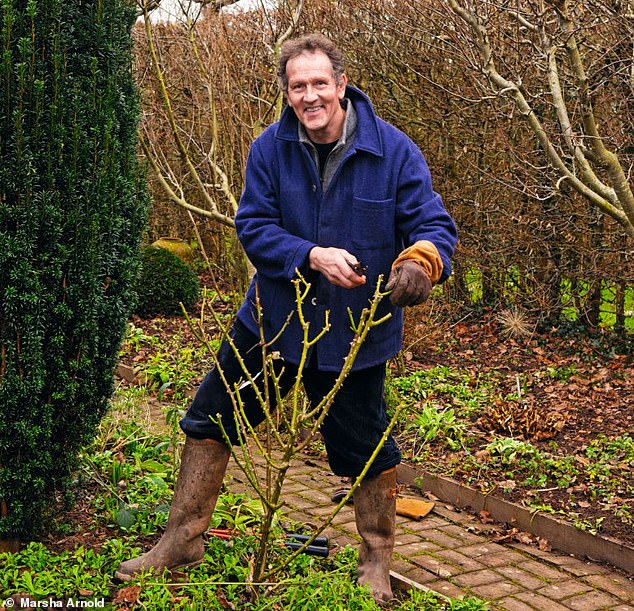
Gardeners’ World lists very similar March jobs, including finishing rose pruning early in the month and cutting dogwoods and willows down hard to promote vigorous fresh growth. That makes this one of the clearest areas where Monty’s advice lines up with broader expert March guidance.
Cut back deciduous grasses, but handle evergreen ones differently
Monty also draws a clear line between different types of ornamental grasses. Deciduous grasses such as miscanthus, calamagrostis, and deschampsia should be cut back hard before fresh green shoots become too long. Evergreen grasses should not be chopped down. Instead, they should be combed through by hand or rake to remove dead material. He also says grasses are best left in place for now rather than divided or moved in early spring.
This is one of the most satisfying March jobs because the transformation is instant. One overgrown, straw-colored clump can suddenly look clean and ready for the new season after a single afternoon’s work.
Plant shrubs now, but be cautious with tender seedlings
Monty’s approach to March planting is careful but optimistic. He says it is often too early to plant out tender young seedlings, but it is a very good time to plant woody shrubs, especially bare-root plants, because their roots can start growing before the strain of full leaf and summer heat arrives. He recommends thorough preparation, generous watering, and a good mulch afterward to help plants establish well.
That same measured approach runs through his vegetable advice. Monty recommends sowing some crops under cover, including lettuce, celery, beetroot, cabbage, and tomatoes, while only sowing outdoors if the ground has warmed enough. The RHS supports the same weather-first logic, with indoor sowing suggested for warm-season crops and outdoor sowing reserved for suitable conditions.
Start dahlia tubers under protection now
A final classic Monty Don March move is potting up dahlia tubers. In his March advice, he says he takes them out of winter storage, checks for “rotten or shrivelled tubers,” and starts them into growth in pots under protection. That gives them a head start so they are stronger by the time the frost risk has passed.
This is one of the best March jobs for gardeners who want bold summer color. Starting dahlias early under cover can mean sturdier plants and a longer display later in the season. RHS March guidance also points gardeners toward timely sowing and planting decisions based on weather and protection, which fits neatly with Monty’s cautious early-start approach.



0 Comments