The internet is ablaze with discussions surrounding the Marrs family, stars of HGTV’s “Fixer to Fabulous.” While the show is ostensibly about home renovations, a significant portion of the online chatter delves into the family’s personal dynamics, specifically the perceived treatment of their adopted daughter, Sylvie. This has led to a fierce debate, with many viewers expressing deep concern and others rushing to the family’s defense.
The Alarming Accusations: “She Looks Unhappy”
A recurring and prominent theme among critics is the belief that Sylvie appears consistently “uncomfortable,” “sad,” “lonely,” and “ignored” on screen. Numerous commenters recall specific instances from the show that solidify this impression.

“I’m so glad I found this thread. I cannot stand Jenny Marrs… I also think she puts down her husband all the time,” one user wrote, quickly shifting to the core concern: “I have often wondered what the situation is with Sylvie. While the Marrs’ children aren’t constantly in front of the camera, they do appear from time to time. I have only seen Sylvie maybe twice & each time it’s like she can’t get out of view fast enough.”
These observations extend beyond mere screen time. Critics frequently point to what they perceive as a discrepancy in affection and attention given to Sylvie compared to her white siblings. “Jenny was in one corner with the baby and the other young white daughter, hugging and kissing and talking to them. And Sylvie was just sitting there watching it,” recounts one user, expressing profound disappointment. Another states, “You have no idea that little girl always looks sad AND SHE DOESN’T GET THE ATTENTION THAT THE WHITE KIDS GET!!”
The highly anticipated home renovation episode, where the Marrs family revamped their own residence, became a flashpoint for many. “When they renovated their home and all boys all got new rooms, the white daughter got a horse, and Sylvie got nothing,” one commenter noted. Another elaborated on this, observing that Sylvie “got a redone bathroom to share with her sister. All the kids got something extra special except for Sylvie.” This perceived disparity fueled accusations that Sylvie is treated as an “afterthought.”
Beyond affection and material possessions, the discussion delves into racial and cultural identity. Viewers express significant concern about Sylvie’s hair care and whether the family is adequately addressing her needs as a Black child in a predominantly white environment.
“Find an African American woman to FIX her hair,” demands one user, while another questions, “Would they do that if she had blonde hair??? If they could not handle the hair she was born with then they should have had a stylist do it for her.”
More profoundly, some argue that Sylvie needs to be connected with her African American culture. “Imagine how that child must feel not having anyone around her that she can relate to or even remotely resembles her,” a white commenter articulated. The concern extends to the potential for a “crisis of identity, self-esteem, understanding culture cues.”
Disturbingly, some comments cross into highly sensitive and speculative territory, with one user suggesting, “They adopted her because of the hefty check you get when a Sylvie is adopted!!” and even alleging that adopted Black children might be treated as “live-in slaves,” though these extreme claims are largely refuted by others in the thread.
The Stalwart Defenders: “She’s Just Shy!”
Conversely, a dedicated contingent of fans vigorously defends the Marrs family, offering counter-arguments and accusing critics of being overly judgmental or even “racist” themselves.
The most common defense attributes Sylvie’s on-screen demeanor to her natural shyness and the family’s respect for her privacy. “Sylvie is shy! She’s not uncomfortable! She’s been their daughter since she was 2 yrs old! She’s not being abused or mistreated! Stop trying to stir up mess where it’s not necessary!” exclaims one supporter.
Another echoes this, stating, “She doesn’t like to be on air, I’m sure he shows her love like the rest, we don’t see it because she doesn’t want to be in the show.”
Some defenders draw parallels to their own experiences. “If you ever saw my family photos.. you would have assumed that I, the eldest disappeared after I was 5. I absolutely REFUSED to be in any family pictures,”

Furthermore, supporters emphasize the difficulties and dedication involved in international adoption, directly refuting claims of financial incentive or selfish motives. “They adopted Sylvie from the Democratic Republic of the Congo as a baby.
The financial aid that is often offered for the adoption of non-white children in the US would not have been available
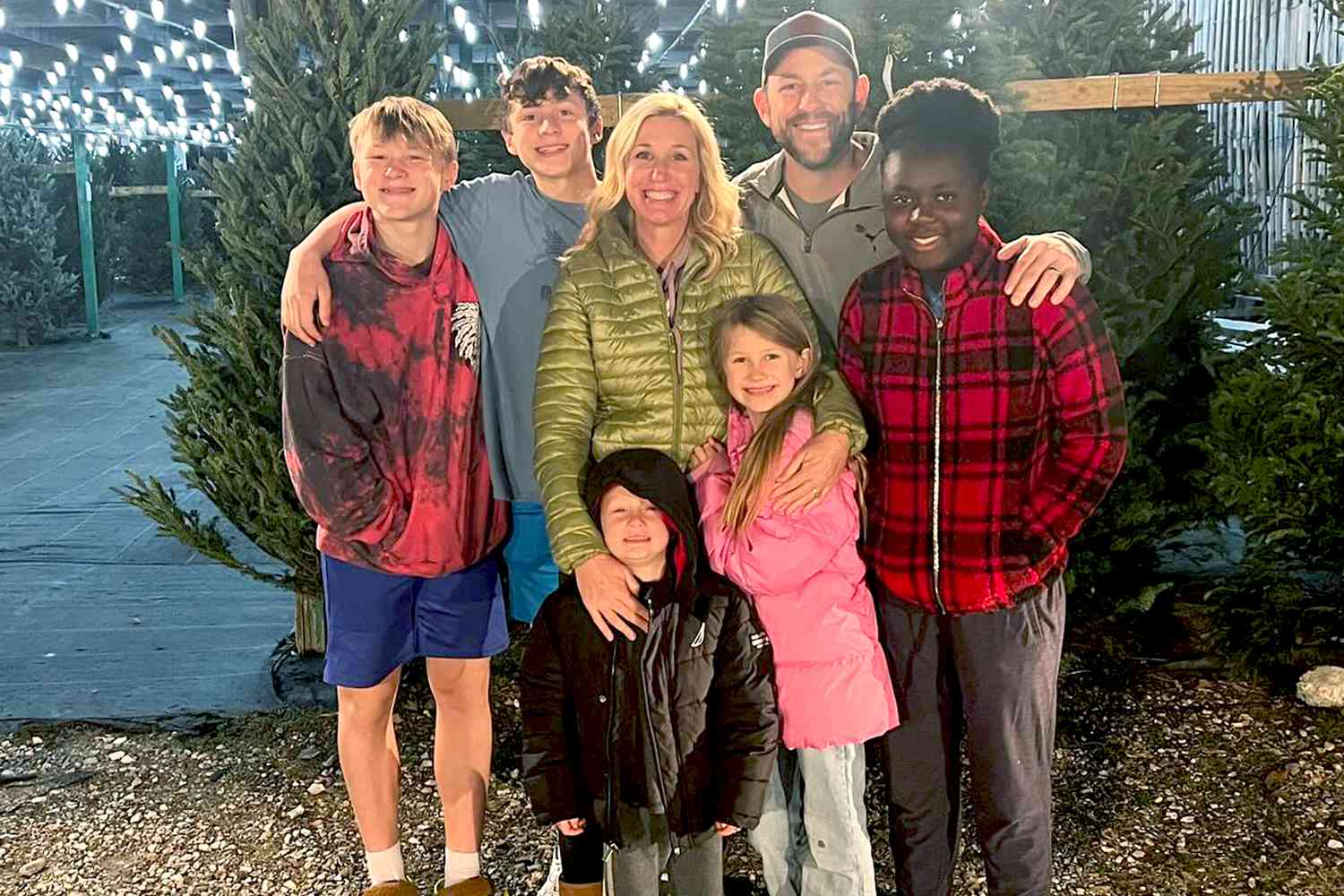
Many loyal viewers express frustration at the intense scrutiny a family on a home renovation show is receiving. “You guys are awful. She’s obviously very camera shy… Trust me, I’m the same and when I see a camera in my face, I shut down. They’ve given her a great life in a great place to grow up as a kid,” states one defender, dismissing accusations as “baseless” and “sick.”
The Larger Picture: Reality TV and Public Perception
This impassioned debate underscores the inherent complexities of reality television, where edited snippets of life are consumed and interpreted by millions. Viewers project their own experiences, biases, and concerns onto what they see, leading to highly subjective conclusions. The lack of context beyond the edited footage leaves ample room for speculation and often, misinterpretation.
Jenny Marrs herself has revealed that reading these types of comments breaks her heart, a poignant reminder of the personal toll that public scrutiny can take. For many of her ardent supporters, this vulnerability reinforces their belief in her genuine love and commitment to her family, including Sylvie, seeing her dedication to adoption and the challenges overcome as proof of her true character.



0 Comments