Jenn Todryk opens up about Health Struggles in 2026.
Jenn Todryk has built a career on energy, humor, and the kind of confidence that makes a renovation reveal feel like a celebration. So when she recently spoke in blunt, unfiltered terms about living with Hashimoto’s disease, the update landed hard with fans who are used to seeing her in “go mode.” In a 2026 update, she described the condition as something she manages constantly, saying it’s part of her day-to-day reality rather than a side note in her life.
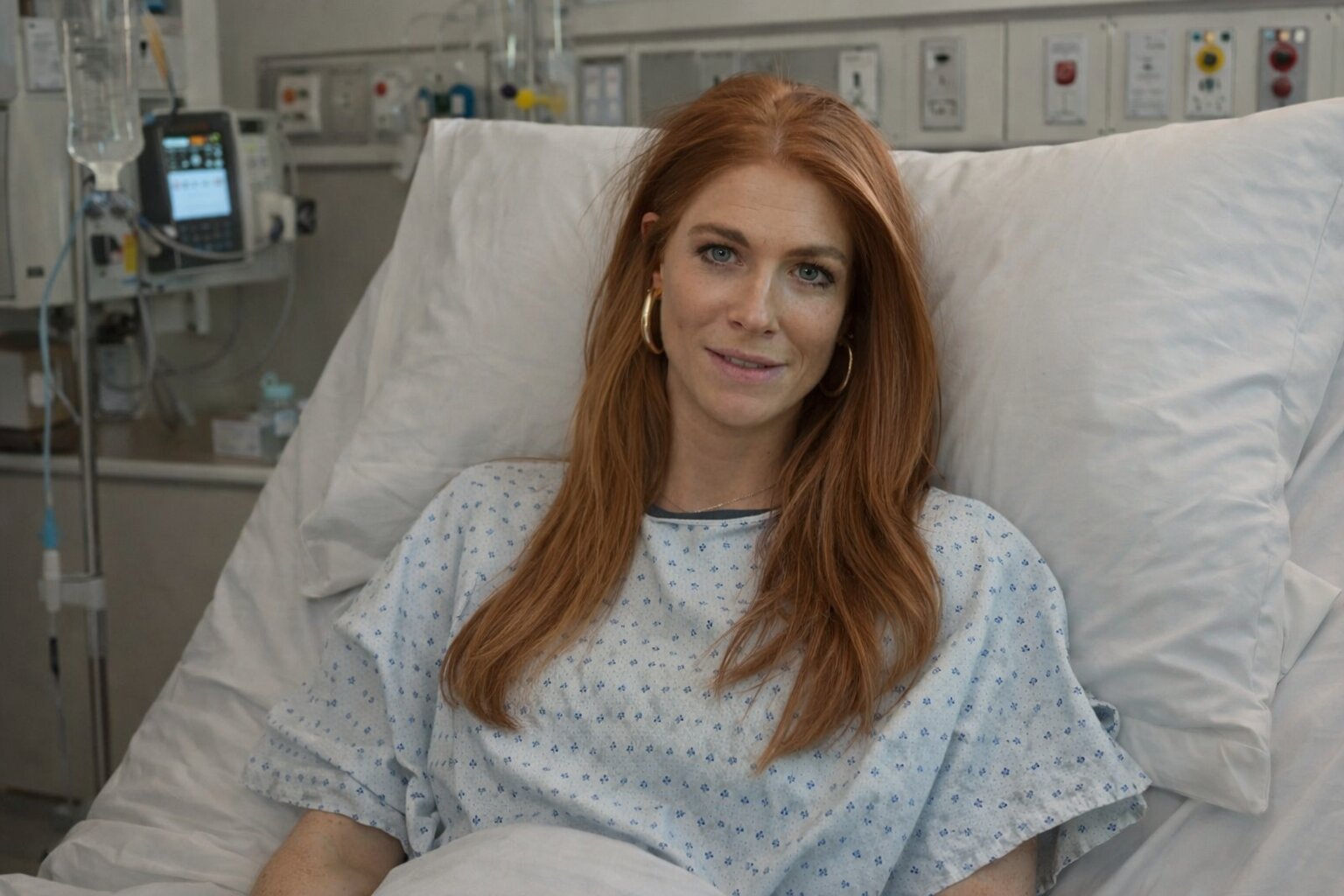
What made the moment striking wasn’t drama—it was discipline. Todryk explained that her current coping approach is to keep moving even when she feels physically drained: “get up, get dressed, you have work to do,” as she put it, even on days when she can’t complete everything she planned.
She also said she no longer spends much time narrating the struggle in real time, adding that she simply pushes through what she can. That mindset, while tough, gives fans a clearer window into the hidden labor behind her public persona.
Her condition, Hashimoto’s disease, is an autoimmune thyroid disorder. In practical terms, that means the immune system attacks the thyroid, which can reduce hormone production and lead to hypothyroidism.
Health authorities describe fatigue, cold intolerance, and other systemic symptoms as common in thyroid dysfunction. Hashimoto’s is also substantially more common in women than men, and hypothyroidism itself affects a meaningful share of the U.S. population.
Todryk’s own timeline has become central to why so many viewers relate to her. In interviews, she has said she was diagnosed with hypothyroidism at age 26 (2014), with Hashimoto’s later confirmed in 2017.
She has also spoken about early red flags—especially persistent sensitivity to cold and heavy fatigue—and the frustration of trying to connect symptoms to a root cause. This progression from “something feels off” to a specific diagnosis mirrors what many thyroid patients describe: a long, sometimes confusing path before treatment feels targeted.
Her story also includes deeply personal reproductive-health context. In a 2023 interview, she discussed a prior miscarriage, her efforts to get more comprehensive hormone testing, and later learning that thyroid and hormone imbalances can intersect with broader health challenges.
She then went on to build both family life and career at once—welcoming children while managing a chronic condition that can flare unpredictably. It’s part of why her public image—high-functioning and funny—resonates so strongly with people quietly managing illness behind the scenes.
Professionally, Todryk’s rise is well documented: HGTV introduced No Demo Reno in 2021, with a March 25, 2021 premiere and a format that leaned into high-impact redesign without major teardown. The series became one of the most recognizable renovation brands in her lane, blending practical budget moves with personality-driven hosting.
Then came the question fans wouldn’t stop asking: Is the show canceled? In 2025, Todryk addressed that directly and said no. She explained that HGTV did request a fourth season, but she chose to put the show on pause after extensive discussions about what production would require versus what felt sustainable in her life.
She described having to choose between being fully “all-in” or stepping back, and said the door remained open for a future return. In other words, this was framed as a personal and logistical decision—not a network rejection.
That context matters when people hear the phrase “health battle.” In this case, the public record points less to a sudden crisis and more to chronic management: recurring flare-ups, periods of intense fatigue, and a recalibration of work pace.
She has described episodes occurring monthly, and she has also acknowledged that sometimes just completing part of a plan is the victory. It’s a different kind of resilience than the makeover-TV version—less cinematic, more repetitive, and arguably more relatable.
Her openness has also turned into advocacy. In multiple interviews, Todryk said she hears from women who felt dismissed, misread, or initially treated for something else before getting thyroid answers.
She has referred to hormonal misdiagnosis as a “silent epidemic,” and encouraged people to take symptoms seriously and seek proper evaluation. While personal stories aren’t the same as clinical prevalence studies, the broader thyroid data do support her point that many people remain undiagnosed.
So what is Jenn Todryk opening up about, exactly? Not a headline-friendly collapse, but the harder truth: sustaining a demanding public career while managing an autoimmune condition that doesn’t clock out.
She appears to be prioritizing family rhythms, selective media work, podcasting, and health management while keeping future TV options open on her own terms. If there’s a takeaway in her message, it’s this—progress doesn’t always look like “doing it all.” Sometimes it looks like showing up anyway, adjusting the pace, and refusing to disappear.



0 Comments