Jasmine Roth’s Private Struggle Revealed: Pain, Pressure, and a Powerful Comeback
For many fans, Jasmine Roth is the upbeat, can-do HGTV star who makes hard projects look doable and chaotic spaces feel hopeful. But behind that familiar confidence was a year she says tested her in ways no renovation ever could.
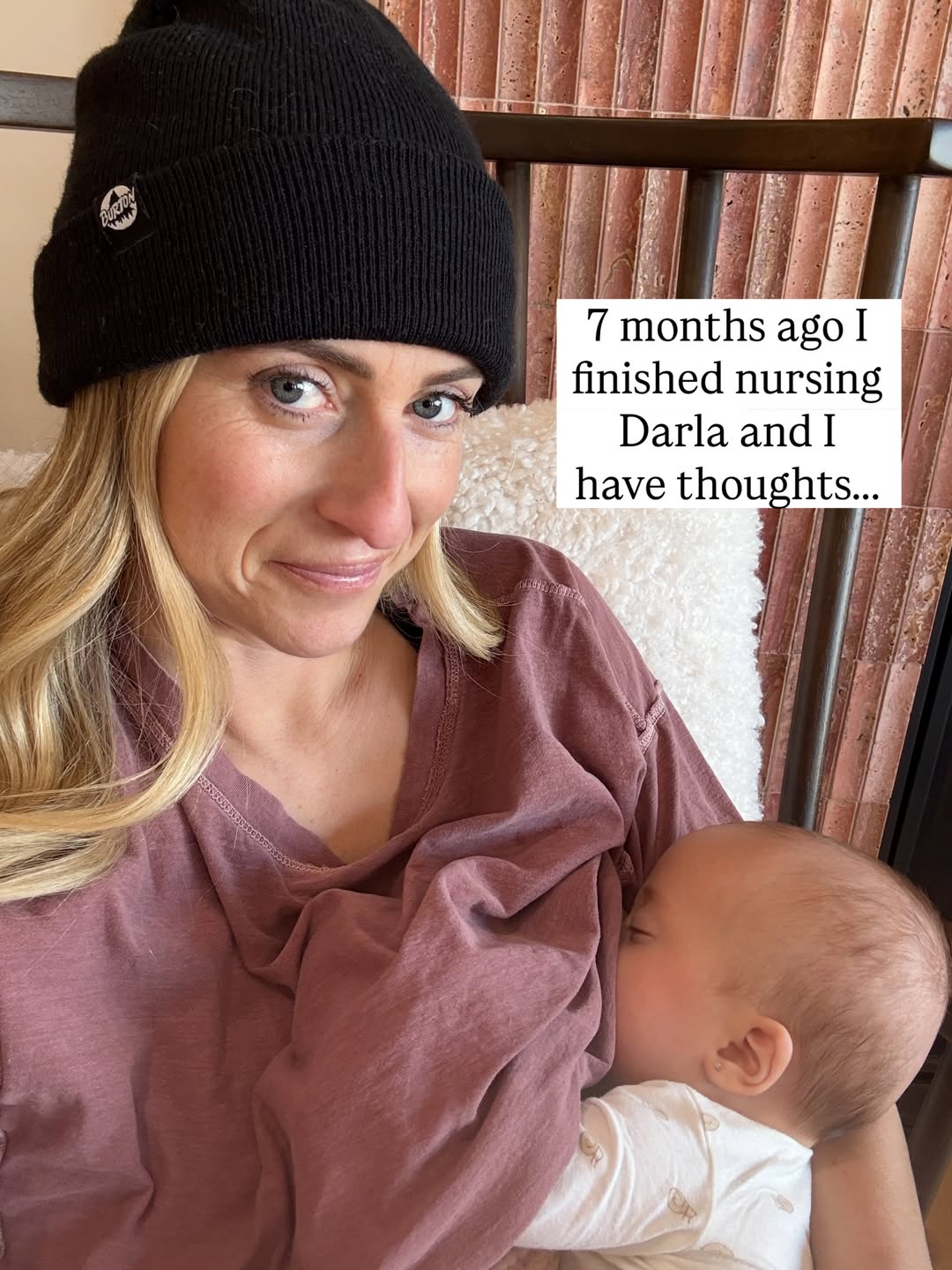
In a deeply personal series of captions and photos, Roth shared the emotional, physical, and logistical reality of feeding her daughter Darla through a difficult first year — a journey marked by NICU stress, pumping exhaustion, painful setbacks, work travel, and the guilt so many mothers feel but rarely say out loud. What makes her story hit so hard is that she doesn’t flatten it into a tidy “inspirational” ending. She tells it exactly as it felt while living it.
Roth begins at a place of gratitude and optimism, writing that she was relieved to have delivered Darla safely and hopeful nursing would go better this time. She explained, “I exclusively pumped for a year with Hazel.” That line alone reframes everything. This wasn’t her first hard season — it was her second, and she still walked into it hoping for a different outcome.
Then reality arrived fast. Darla was tiny, medically fragile, and needed extra support at birth. Roth wrote, “But Darla was so tiny and had so many tubes and connections in the ICN, that nursing her would have to wait.” Instead of the feeding experience she had imagined, she moved into survival mode. Pump. Measure. Feed. Repeat. She and her husband worked in tiny increments, celebrating the smallest wins because those were the only wins available.
As Roth put it, “I would pump and then one of us would try to feed her.”
And then, with blunt honesty, she added: “Literally a drop at a time.”
That was the rhythm — relentless and unforgiving. She describes feeding every hour, trying to be present for each one, and carrying the emotional weight of never quite knowing if what she was doing would be enough. In one of the most vulnerable lines, she writes, “We were tired and wanted to take our baby home.” It’s not dramatic language. It’s simple. And because it’s simple, it lands harder.

Even once they got home, uncertainty didn’t disappear. Roth says she asked doctors to check for ties and was told none were present, so she kept pumping and bottle feeding while feeling like she was failing. Later, after more appointments, she discovered the opposite of what she had been told early on. She wrote, “Darla had a tongue tie, and two lip ties.”That turning point changed everything — not just physically for Darla, but emotionally for Jasmine, who had spent weeks trying to solve a problem with incomplete information.
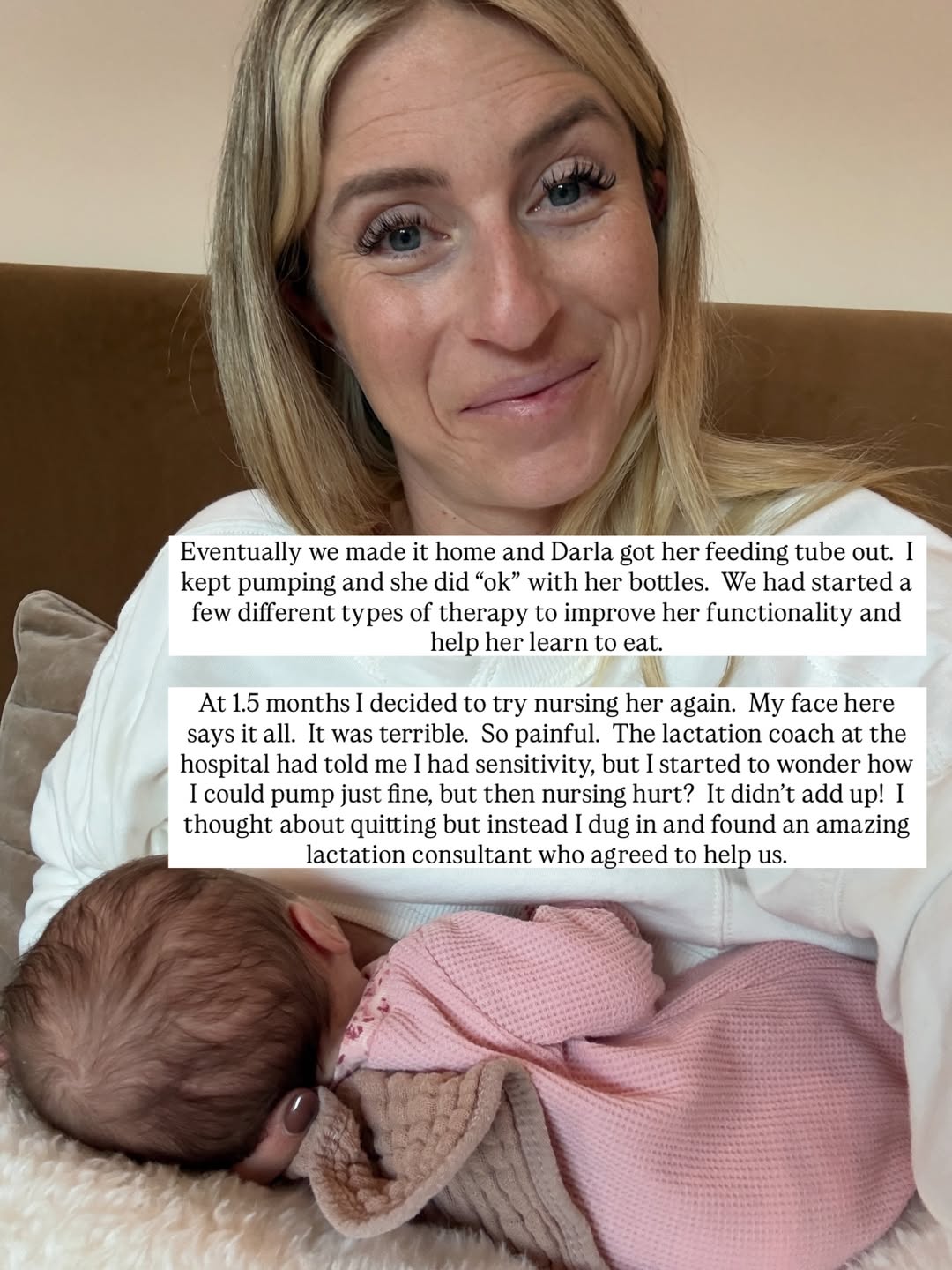
The emotional center of her story might be this line: “At 1.5 months I decided to try nursing her again.” She described the attempt as painful and discouraging, but instead of quitting, she sought better support and continued with a lactation consultant. This is where Roth’s personality — the one fans recognize from TV — shows up in a different form. Not performative toughness, but stubborn tenderness. The kind that says: I’ll keep adjusting until this works for us.
Still, progress wasn’t linear. She admits, “Finally we were grooving a bit. But it still wasn’t easy.” The family was balancing home projects, an early arrival, older-sibling needs, and the constant pull of infant feeding demands. Roth’s captions repeatedly return to one tension many working mothers know well: she didn’t only want to be present; she wanted to be fully effective in every role at once — mom, partner, professional, person.
In one of her most revealing reflections, she writes, “It was also a hard balance because for our family, I needed to be more than a nursing mom.” That sentence captures the impossible math so many women carry privately: if you lean harder into one responsibility, are you failing another?
As maternity leave edged toward work travel, the pressure intensified. Roth described her first trip away as emotionally brutal: “My first trip away was a really humbling experience.” Then came the sentence that says everything without trying to decorate it: “I just wasn’t ready.” She pumped constantly, missed Darla intensely, and felt that grief not just mentally but physically.
Eventually, she returned to work for real and built an exhausting schedule that mixed pumping sessions with nursing windows at night and in the early morning. In her words, “But eventually I went back to work.” She wrote that she thought about stopping “every single day,” yet kept going because Darla was thriving. That’s one of the most powerful through-lines in her story: this was never about perfection; it was about persistence.
And yes, even in the middle of all that seriousness, Roth still found flashes of humor and joy. One of the most memorable captions reads, “I even nursed her on the ‘Pirates of the Caribbean’ ride at Disneyland. Ha!” It’s funny, a little surreal, and somehow deeply on brand for motherhood in real life — intimate, chaotic, inconvenient, and sometimes absurdly memorable.
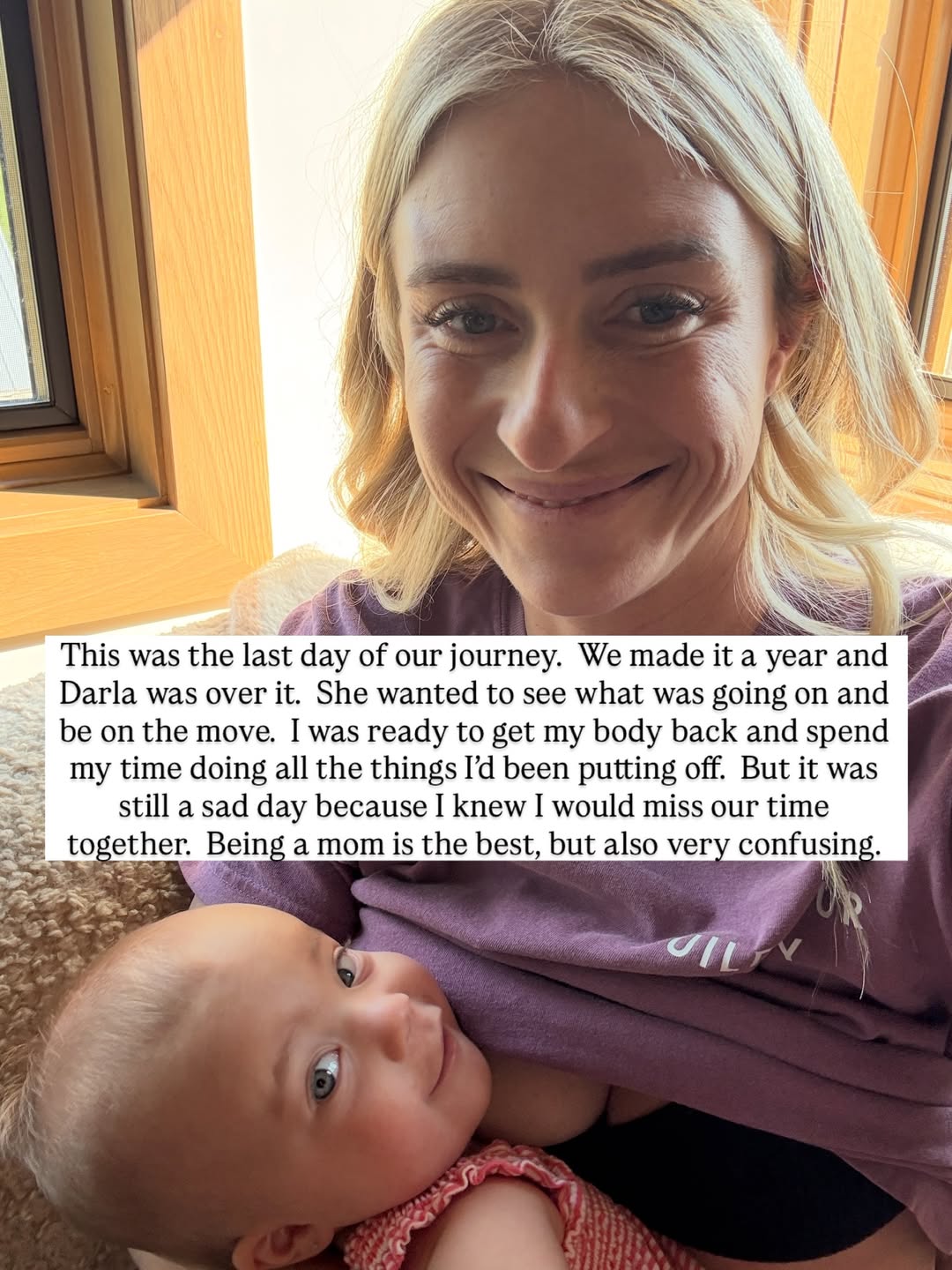
By the final frame, the tone shifts from crisis to reflection. Not triumph in the glossy sense, but earned perspective. Roth writes, “This was the last day of our journey.” She describes pride, sadness, relief, and the strange identity whiplash that can come when a chapter closes after consuming your entire life. Her final takeaway is raw and beautifully honest: being a mom can feel like the best thing and the most confusing thing at the same time.
What makes Jasmine Roth’s story resonate isn’t that she’s a TV personality. It’s that she refused to hide the messy middle. She didn’t post a polished “before and after.” She posted the in-between: the wrong advice, the midnight tears, the second-guessing, the tiny victories, the guilt, the growth.
And in doing so, she gave other mothers something rare online — not pressure, not performance, but permission. Permission to struggle, to ask for help, to pivot, to keep going, and to define success one feed, one day, one season at a time.



0 Comments