Before Food Network Fame, Kent Rollins Worked Some of the Dirtiest Jobs You Can Imagine
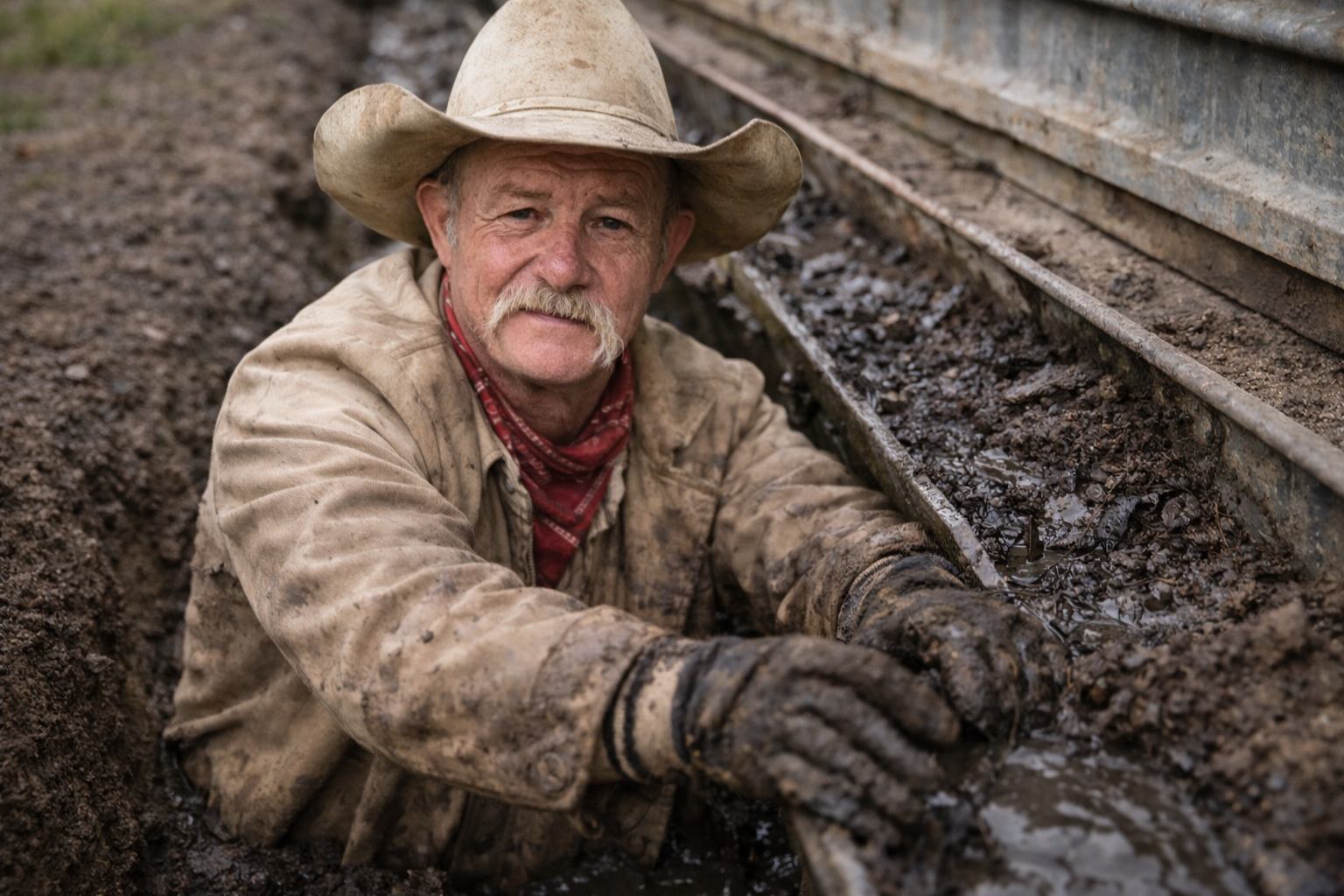
Long before Kent Rollins became the familiar face many viewers recognize from the Food Network and YouTube, he was already building a life the hard way — one dirty, difficult job at a time. Today, fans know him as the cowboy cook with a steady voice, a campfire skillet, and a deep love for chuck wagon tradition. But his road to fame did not begin in a studio kitchen or in front of a camera. It started in dust, cold, livestock pens, crawl spaces, and whatever rough work needed doing.
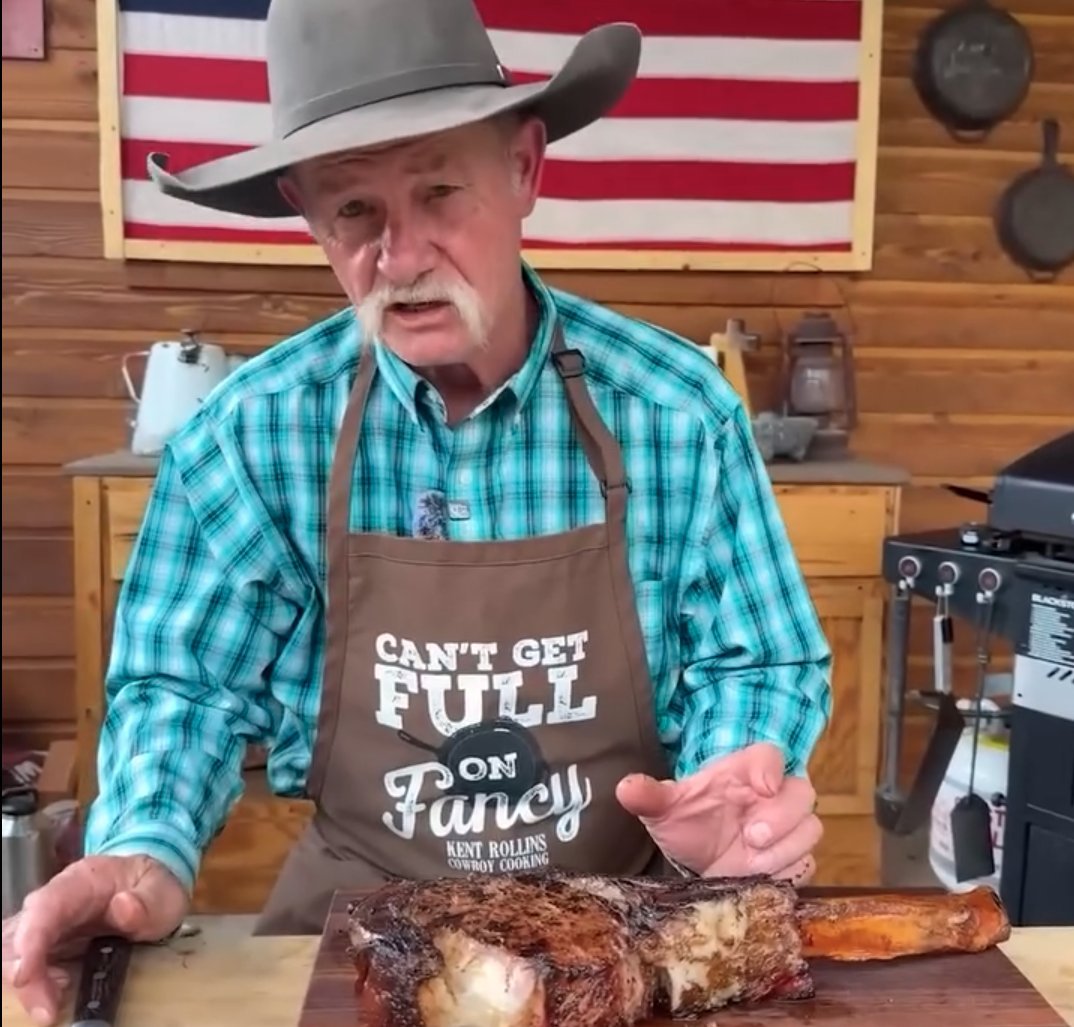
Screenshot
Kent has often sounded like a man shaped by old-fashioned grit, and that is because he was. Raised around horses, ranch work, and hardworking people, he grew up believing cowboy life was the life he wanted. But as he learned early on, wanting to be a cowboy and making a living as one were two very different things. The older men around him did not romanticize it. They told him plainly that if he planned to be a cowboy all his life, he would need many other jobs to go with it or he would not make it.
That lesson came early.
As a boy, Kent was already working. And some of those early jobs were the kind most people would run from. One of the strangest came when he was still very young and small enough to fit into tight spaces others could not. That made him the perfect candidate for a job nobody wanted — crawling under houses to remove dead animals. Armed with little more than a flashlight and determination, Kent would inch his way through dark, dirty crawl spaces full of webs, dust, and the awful smell of decay, searching for whatever had died underneath. It was unpleasant, creepy work, but it paid, and that mattered.
That job also revealed something about him at an early age. He was not just willing to work — he was willing to do the jobs other people would not touch.
As he got older, that attitude followed him into even harder labor. Kent and his family spent years working at a local livestock sale barn, where the work was messy, physical, and far from glamorous. Rain and snow made conditions even worse, turning the place into a muddy, manure-covered nightmare. It was the kind of work that demanded toughness, balance, humor, and a strong stomach. But it also taught him work ethic, endurance, and the reality of rural labor.
Then came college, where his life before fame grew even more demanding.
While studying animal science at Oklahoma State University, Kent took a job at a dairy to help support himself. It was exhausting work that started before dawn and revolved around the constant demands of livestock. Cows had to be milked every single day, no matter the weather, no matter how tired anyone was, and no matter what else was going on. The dairy never closed. It was relentless, physical labor, and it gave him firsthand knowledge of another side of agriculture most people never see.
By that point, Kent was not building a polished public image. He was building resilience.
After college, he returned home and continued taking honest, difficult jobs, including county work operating heavy equipment. Life was about making a living, doing what needed to be done, and carrying the mindset he had learned from the ranching world. None of it looked like a path to television fame. In fact, for a long time, Kent’s life seemed headed in a completely different direction — one rooted in cowboy culture, livestock, ranch work, and preserving old skills.
But in hindsight, those years were preparing him for exactly what would set him apart later.
Kent was not just collecting jobs. He was collecting stories, skills, perspective, and authenticity. He knew cowboy life from the inside. He knew hard weather, hard work, and hard lessons. He understood food not as entertainment, but as something tied to survival, tradition, and feeding people in real working environments. That gave him something many television personalities never have — a life that did not need to be invented for the camera.
Over time, Kent’s deep knowledge of chuck wagon cooking and cowboy heritage began drawing attention. What made him compelling was not just the food. It was the full package: the voice, the humor, the stories, the values, and the unmistakable sense that he had truly lived the life he talked about. Audiences responded to that. His presence felt real because it was real.
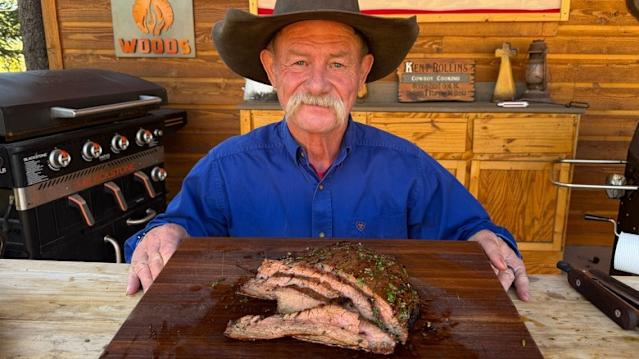
That authenticity helped open bigger doors. Kent eventually appeared on the Food Network, where a wider audience got to see the cowboy cook many ranching and western lifestyle fans already appreciated. Later, he and his wife Shannon built an even stronger following through their YouTube channel, where they shared recipes, campfire cooking, cowboy history, and conversations that felt personal rather than produced.
That is what makes Kent Rollins’ rise stand out. He did not come from manufactured fame. He came from dead-animal crawl spaces, livestock auctions, dairy shifts, and years of doing rough work without complaint. By the time television found him, he had already lived enough life to fill a hundred stories.
And maybe that is exactly why people kept watching. Kent Rollins did not become interesting because he got famous. He became famous because the life he had already lived was impossible to fake.


0 Comments