11 Reasons Why People Absolutely Dislike Being a Homeowner
For years, homeownership has been sold as stability, pride, and long-term security. But once people actually move in, a lot of them discover a harsher reality: owning a home can feel less like achieving freedom and more like signing up for a second job with surprise bills attached. Recent surveys back that up. In Bankrate’s 2025 homeowner-regret survey, 45% of current homeowners said they had at least one regret about buying their current home, and the most common regret was that maintenance and hidden costs were more expensive than expected. On homeowner forums like Reddit, the same pattern shows up again and again: people are not just tired of the mortgage. They are tired of everything that comes after it.
Most of the hard data below is U.S.-based, and the Reddit examples are anecdotal rather than scientific. Still, the overlap is striking. When survey data and unfiltered homeowner complaints keep landing on the same pain points, you get a pretty honest picture of why so many people end up disliking homeownership.
1. The real cost starts after closing
The biggest shock for many homeowners is that buying the house is only the entry fee. After the down payment, closing costs, and move-in expenses, the house begins demanding money in a dozen quieter ways: maintenance, repairs, utilities, property taxes, insurance, landscaping, and sometimes HOA fees. Bankrate’s 2025 study estimated that the average annual cost of owning and maintaining a single-family home in the U.S. is more than $21,000 a year in hidden expenses, separate from the purchase price itself. That is why so many people say the mortgage was not what broke them mentally; it was the nonstop stream of “small” costs that never really stop.
This is what makes homeownership feel deceptive to a lot of people. The purchase is framed like a one-time milestone, but the lived experience is recurring financial leakage. A homeowner can handle one repair bill. What wears people down is the feeling that every month brings a new reason to spend money on something they did not even notice when they first fell in love with the house. Reddit threads about homeownership regret are full of that exact frustration.
2. Even the “fixed” payment does not always feel fixed
A lot of people think once they secure a mortgage, the biggest uncertainty is over. In practice, homeowners often learn that their monthly housing cost can still creep upward because taxes, insurance, utilities, and fees do not stay still. The U.S. Census Bureau reported that median monthly owner costs for homeowners with a mortgage rose to $2,035 in 2024, up from $1,960 in 2023, and said the increase was driven mainly by higher mortgage costs and insurance fees.
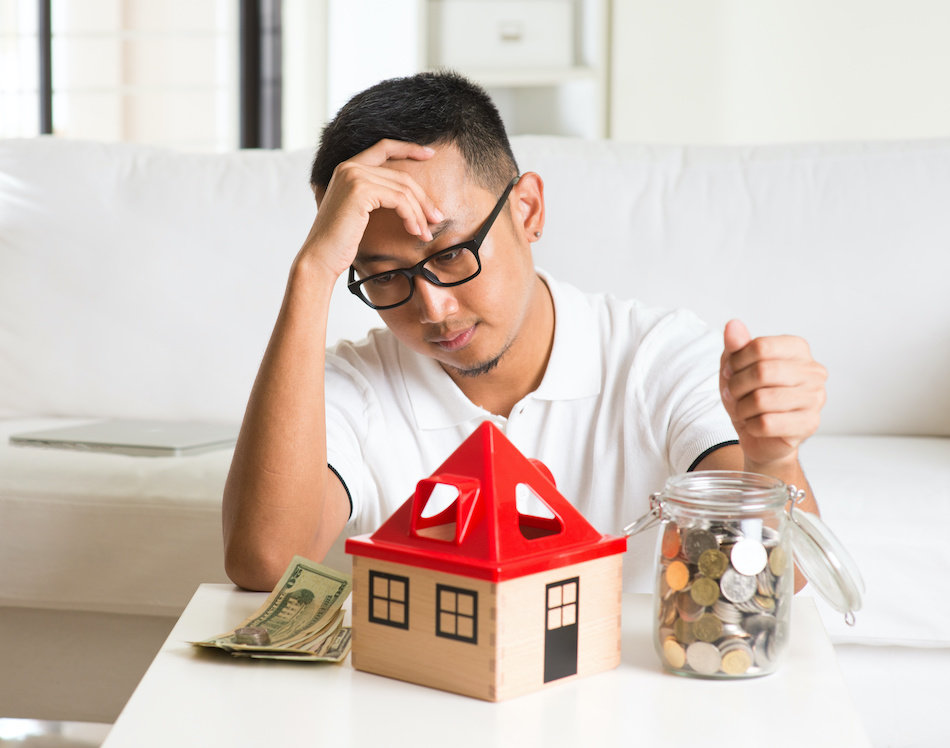
That matters because a home can start to feel heavier over time instead of easier. Even when someone budgeted carefully at purchase, rising escrow payments, tax reassessments, and insurance increases can create the sense that the house keeps renegotiating the deal after the buyer has already signed. For homeowners who were already stretched, that payment creep turns ordinary ownership into constant low-grade anxiety.
3. Maintenance never ends
One of the most relatable reasons people hate owning a home is simple: the work is never finished. Something always needs cleaning, sealing, replacing, trimming, painting, draining, patching, or checking. That is not just an impression. Angi’s 2025 State of Home Spending Pulse Report found that 48% of homeowners said the stress of mandatory repairs had increased since the start of the year, and 62% said they were more worried about covering maintenance and repair costs than just a few months earlier.
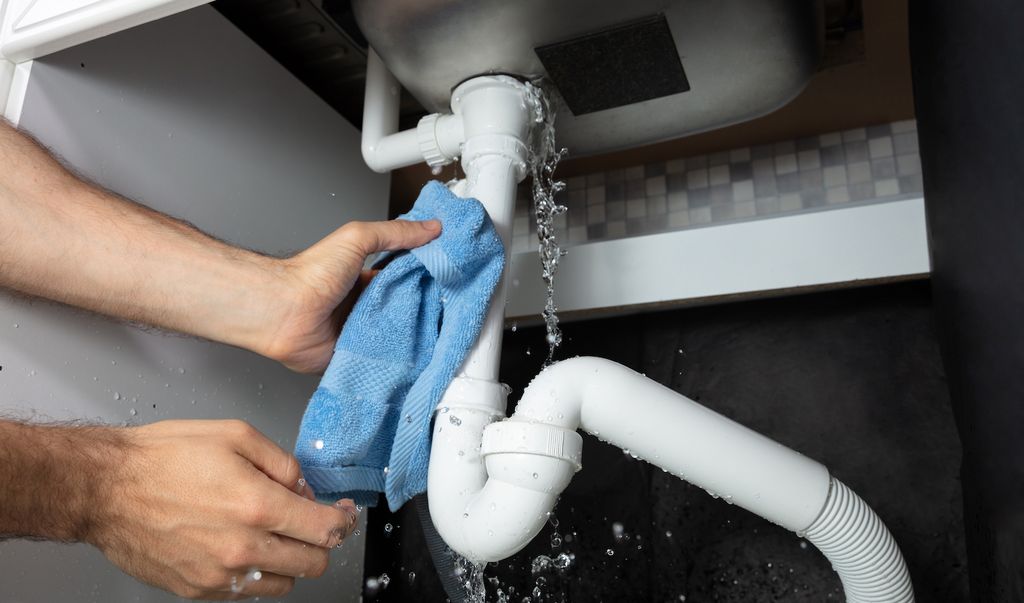
This endlessness is what renters often underestimate. In a rental, the space can feel like a place to live. In a house, it can start feeling like an organism that constantly needs feeding. One recent Reddit thread put it bluntly: either repairs keep you busy, or you pay someone else to do them. That is the part many people grow to resent—not one disaster, but the permanent feeling that the house is quietly assigning them chores in the background.
4. Surprise repairs hit at the worst possible time
Routine maintenance is annoying. Emergency repairs are what make some owners truly hate the experience. A roof leak, HVAC failure, burst pipe, electrical issue, flooding, mold scare, or sewage backup can force instant spending when the owner may not have the cash or emotional bandwidth to deal with it. Synchrony’s March 2026 “Lifetime of Home Care” study found that 75% of homeowners had experienced an emergency home repair, and 40% of those incidents cost more than $3,000. The same study found 7 in 10 homeowners lacked sufficient repair reserves.
That combination is what makes homeownership feel brutal. It is not just that repairs are expensive. It is that they rarely arrive politely, on schedule, when the homeowner feels financially ready. They show up during vacations, busy work weeks, holidays, or right after another large expense. The house does not care whether the timing is bad, and that lack of control is one of the fastest ways for ownership to stop feeling empowering.
5. Hidden problems often reveal themselves one layer at a time
A lot of homeowners say the hardest part is not the first problem. It is the second, third, and fourth problem that appear once they start fixing the first one. One Reddit homeowner described moving into a 1930s house and realizing that “each problem we try to fix unveils a new problem to be solved.” Another thread described a first-home purchase turning into a nightmare despite inspections, as demolition and repair work exposed more issues than expected.
This pain is especially relatable with older homes. Census data shows that owners of older homes who had moved in within the previous two years spent a median of $3,900 per year on overall upkeep, compared with about $1,500 annually for people who had lived in older homes at least 10 years. In other words, newer owners are often the ones paying to uncover and correct years of deferred problems. That is why so many first-time owners feel less like proud buyers and more like the unlucky person who inherited someone else’s neglect.
6. You become an unpaid project manager
Owning a home does not just require money. It requires management. Someone has to diagnose the issue, call multiple contractors, compare estimates, read reviews, schedule appointments, take time off, follow up, inspect work, and argue when things go wrong. On Reddit, one homeowner said the part they hated most was feeling like they needed “a full time HR department” in their brain just to deal with contractors. That is a funny line, but it captures a very real burden.

This is one reason homeownership feels more exhausting than people expect. The stress is not only physical maintenance. It is administrative maintenance. The owner becomes the coordinator, quality-control department, accountant, scheduler, and complaint desk. For busy adults, especially those already working full-time or raising children, that extra layer of invisible labor can make the house feel less like an asset and more like a part-time management job.
7. Renovations almost never stay as simple as they sounded
Many people buy a home thinking, “We’ll fix it up slowly.” Then the projects get bigger, uglier, and more expensive than planned. The reason is straightforward: once walls open up and work begins, hidden defects, code issues, outdated systems, and design changes start multiplying the budget. Synchrony’s March 2026 study said nearly half of homeowners (48%) had delayed or canceled projects because of economic pressure, and more than 90% still had outstanding repair or maintenance needs.
That constant backlog is what people hate. Renovations are not just costly; they are disruptive. They bring dust, noise, delays, arguments, and weeks or months of living in a half-finished space. Instead of feeling like improvement, a renovation often feels like paying a lot of money to make daily life more chaotic for a while. For homeowners who expected gradual progress, it can be demoralizing to realize the to-do list keeps growing faster than it shrinks.
8. Bad neighbors can ruin the whole experience
People shop carefully for countertops, square footage, and school districts, but they cannot fully vet who will live beside them six months later. That is one reason neighbor problems hit so hard. Noise, property-line arguments, parking fights, smoke, loose pets, trash, harassment, or simply being surrounded by difficult people can turn a home into a place of tension instead of rest. A recent Reddit thread about homeownership regret asked whether anyone had a home that went downhill because of neighbors, and the answer was clearly yes.
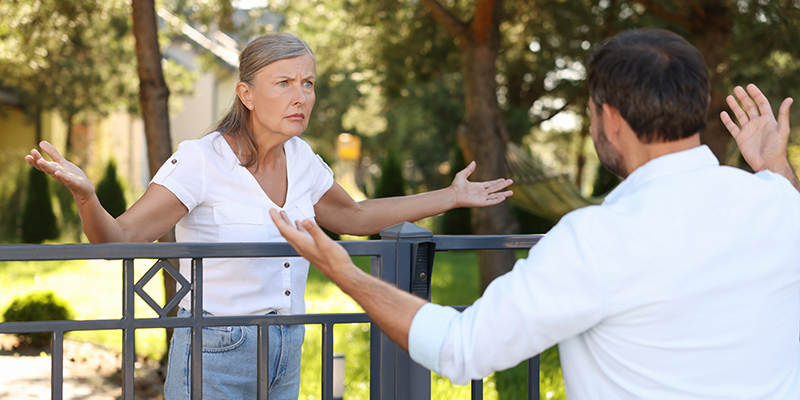
Emotional neighbours having argument near fence outdoors
What makes this especially painful is that ownership reduces your escape options. When renting, a bad building or awful neighbors may still be temporary. When owning, the same problem can feel like a trap because leaving is slower, more expensive, and more complicated. A house can be structurally fine and still become miserable because of the people around it. That is a highly relatable reason many owners end up disillusioned.
9. HOA living can feel like paying to be controlled
For some homeowners, the worst part is discovering that buying a house did not actually buy them much freedom. It bought them dues, approvals, and notices. Census reported that about 21.6 million U.S. owner households paid condo or HOA fees in 2024, with a national median monthly fee of $135, and about 3 million households paid more than $500 a month.
The money is only part of the resentment. On Reddit, homeowners often complain that HOAs either micromanage harmless things or fail to solve the problems that matter. One thread summed it up with a familiar frustration: an owner needed approval to plant bushes while visibly neglected homes nearby stayed untouched. That combination—fees plus rule enforcement plus inconsistent logic—is why many people feel HOA ownership gives them the obligations of ownership without the autonomy they thought they were buying.
10. It is expensive to leave, so you lose flexibility
A home is not something you can casually walk away from when life changes. Selling takes time, paperwork, negotiation, and money. Bankrate notes that seller closing costs average 1.81% of a home’s sale price, excluding Realtor commissions, and that listing-agent fees typically run about 2.5% to 3% of the sale price. That means leaving a house can be costly even before you think about moving expenses, repairs before listing, or price cuts needed to attract buyers.
That loss of flexibility is a major reason people grow to dislike ownership. A renter can respond faster to a job change, relationship change, family problem, or neighborhood decline. A homeowner often cannot. When people say they feel “stuck,” they usually do not mean only emotionally. They mean the exit itself is expensive and slow, so even a home they no longer enjoy can keep dictating their choices.
11. The emotional payoff often does not match the dream
This may be the most underrated reason of all. A lot of people do not hate their home because it is objectively terrible. They hate it because reality failed to match the story they were sold. Homeownership is often marketed as a moment when adulthood finally clicks into place. But surveys and homeowner forums show that many people feel more burdened than fulfilled once they get there. Bankrate found that nearly half of homeowners have at least one regret, and Reddit posts about ownership frequently read less like victory laps and more like burnout.
That disappointment cuts deeper than a repair bill. It creates a strange emotional mismatch: you are supposed to feel proud, grateful, and successful, yet a big part of your life now revolves around bills, appointments, damage, upkeep, and worry. When the dream was “security” but the daily feeling is “stress,” it becomes very easy to understand why some people absolutely dislike being homeowners.
In the end, most people who dislike being homeowners are not complaining about one dramatic disaster. They are reacting to the accumulation of responsibilities: the hidden costs, the payment creep, the chores, the emergencies, the contractor drama, the neighbor issues, the HOA rules, and the sheer difficulty of leaving once the home stops feeling right. That is what makes the frustration so relatable. A house can be beautiful and still feel exhausting to own.



0 Comments